
Folate Normal Range (Folic Acid) - Deficiency Levels and Pregnancy
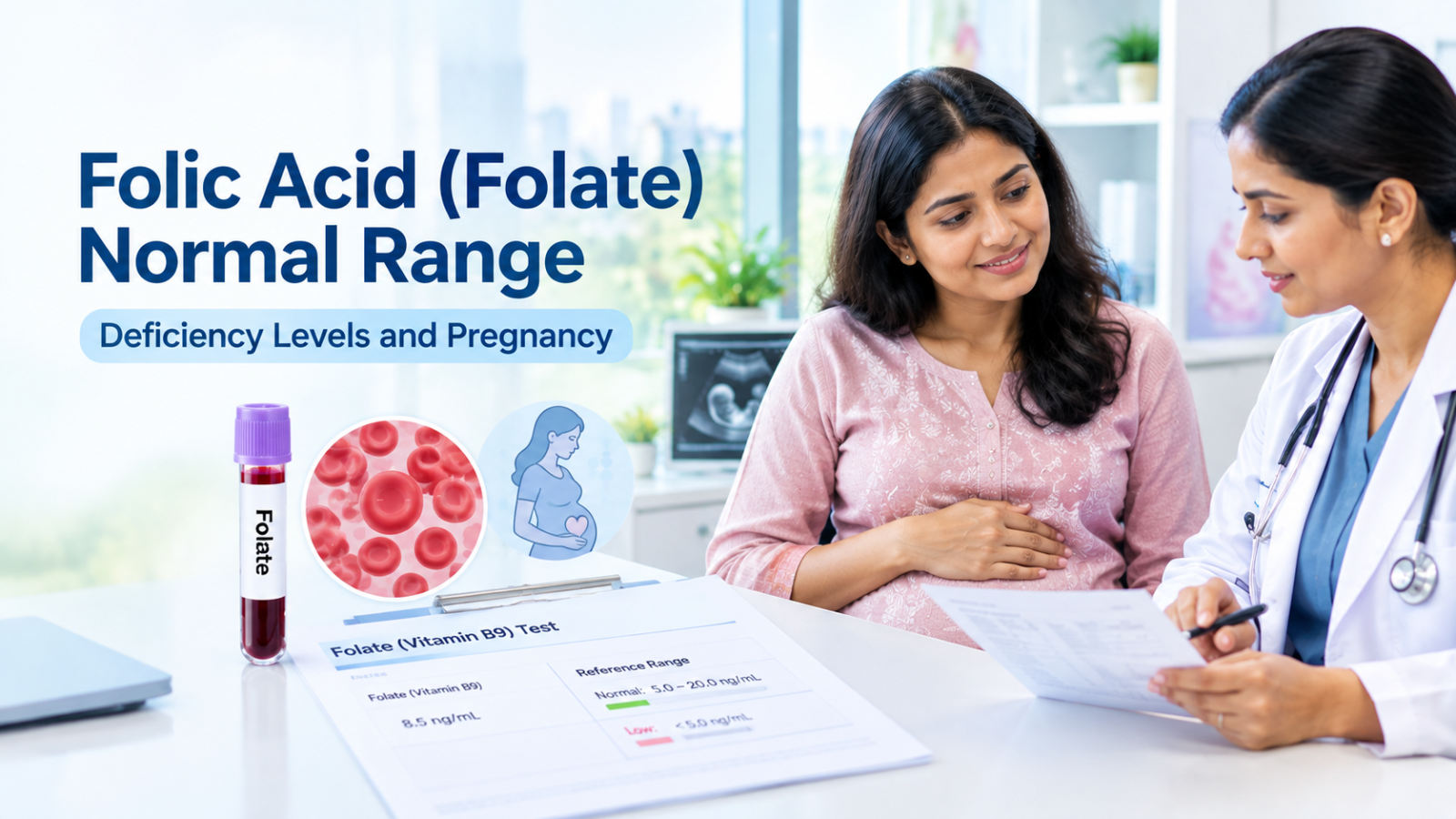
Folate Normal Range
Folate, also known as vitamin B9, is an important nutrient for red blood cell production, cell division, and normal tissue growth. Therefore, checking folate levels can be useful when someone has certain types of anemia, recurrent mouth ulcers, or a suspected nutritional deficiency.
Moreover, folate becomes especially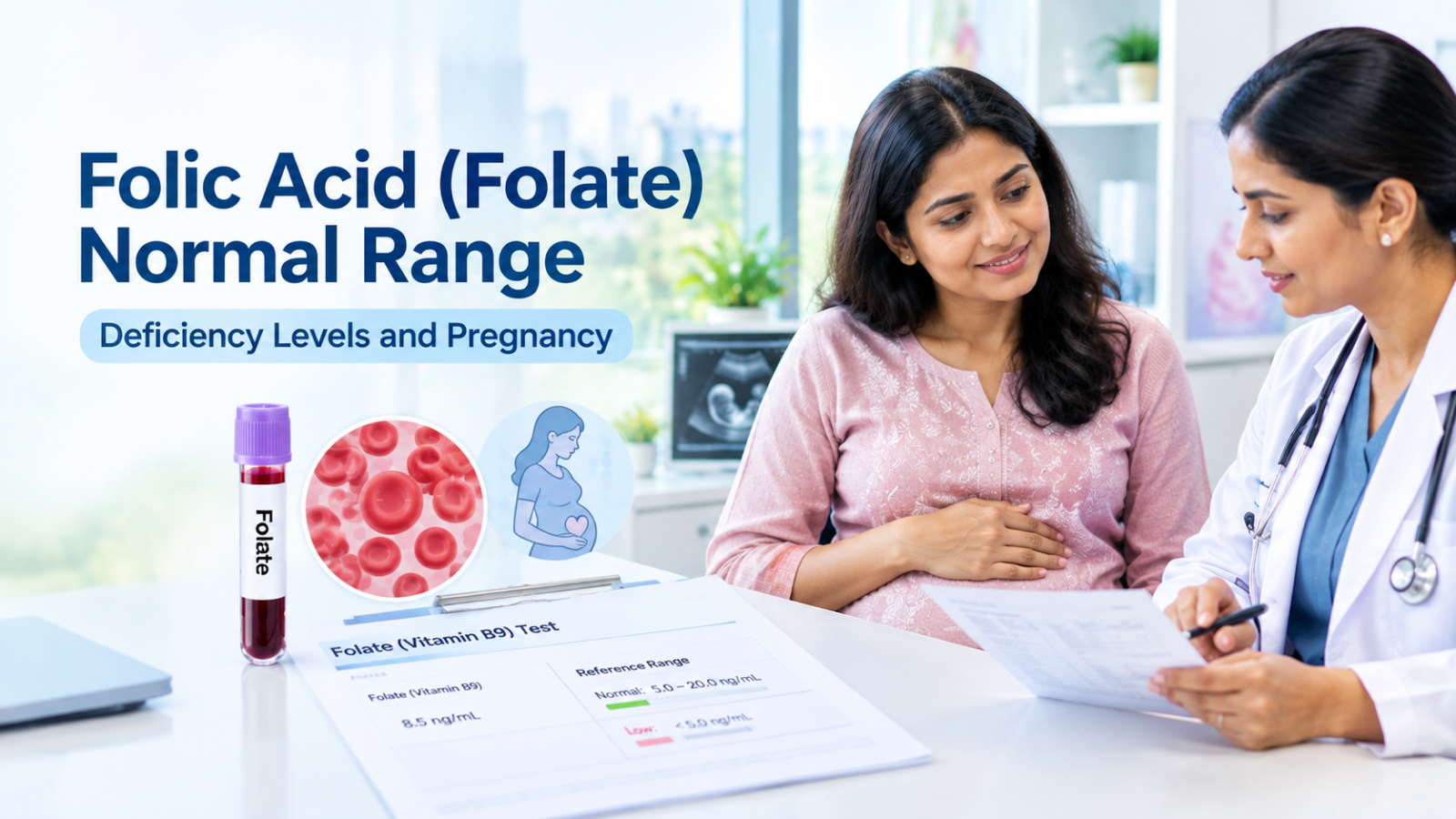 important during pregnancy because the developing baby needs adequate folate for normal growth and development. Consequently, healthcare professionals may recommend folate supplementation and, when appropriate, blood testing.
If you have been asked about the folate normal range, understanding the result requires looking at the laboratory's reference range, your symptoms, and your clinical situation rather than relying on one number alone.
What Is the Folate Normal Range?
The folate normal range varies between laboratories and testing methods. Therefore, the reference interval printed on your laboratory report should be used when interpreting your result.
For serum folate, a commonly used reference range is approximately 4–20 ng/mL, although some laboratories use different intervals.
Importantly, a result below the laboratory's stated reference range may suggest low folate status. However, the result should be interpreted alongside your CBC, vitamin B12 status, diet, medications, and other clinical findings.
Folate Normal Range Chart
Serum folate result |
General interpretation |
|
Below the laboratory reference range |
May indicate low folate |
|
Within the laboratory reference range |
Generally considered adequate by that laboratory |
|
Above the laboratory reference range |
Usually reflects adequate intake or supplementation; interpretation depends on context |
Why Does the Range Differ?
Reference ranges can differ because laboratories use different analyzers, methods, populations, and reporting standards.
Therefore, rather than comparing your number with a range found online, first check the reference interval printed on your own report.
What Does Folate Do in the Body?
Folate plays several important roles.
Supports red blood cell production
First, folate is required for normal DNA synthesis and cell division. Consequently, inadequate folate can contribute to a type of anemia called megaloblastic anemia.
Supports cell growth
Moreover, rapidly dividing cells have a particularly important need for folate.
Important during pregnancy
During pregnancy, folate supports normal fetal development. In particular, adequate folate intake around conception and early pregnancy helps reduce the risk of neural tube defects.
Therefore, pregnancy planning and early pregnancy are important times to discuss folic acid supplementation with a healthcare professional.
Signs of Low Folate
Low folate may not always cause obvious symptoms initially. However, as deficiency develops, some people may experience:
- Fatigue
- Weakness
- Pale skin
- Shortness of breath
- Headache
- Sore or inflamed tongue
- Mouth ulcers
- Reduced appetite
Nevertheless, these symptoms can occur with several other conditions. For example, Vitamin B12 deficiency and iron deficiency can also cause fatigue and anemia.
Therefore, testing is more useful than assuming folate is the cause.
Folate and Anemia
Folate deficiency can contribute to megaloblastic anemia. In such cases, a CBC may show changes in red blood cell measurements, including an increased MCV.
However, an abnormal CBC does not automatically mean folate deficiency.
Consequently, healthcare professionals may consider additional tests, such as folate and Vitamin B12, depending on the patient's symptoms and blood-count pattern.
Folate in Pregnancy
Why is folate important during pregnancy?
Pregnancy increases the body's nutritional requirements. Therefore, adequate folate is particularly important before conception and during early pregnancy.
Folate supports normal cell division and fetal development. Most importantly, adequate folic acid intake around conception helps reduce the risk of neural tube defects.
Does every pregnant woman need a folate blood test?
Not necessarily.
In many cases, healthcare professionals recommend folic acid supplementation without requiring a folate blood test. However, testing may be considered when deficiency is suspected, anemia is present, dietary intake is inadequate, or there are other clinical reasons.
Therefore, pregnant women should follow the supplementation plan recommended by their obstetrician rather than adjusting the dose based only on an online range.
Folate and prenatal supplements
Many prenatal supplements contain folic acid or another form of folate. However, the exact supplement and dose should be selected according to pregnancy stage and individual medical advice.
Folate vs B12
Folate and Vitamin B12 work closely together in several metabolic processes. However, they are not interchangeable.
Feature |
Folate |
Vitamin B12 |
|
Vitamin |
B9 |
B12 |
|
Main role |
DNA synthesis and cell division |
Blood-cell formation and nerve function |
|
Deficiency |
Can cause megaloblastic anemia |
Can cause megaloblastic anemia and neurological problems |
|
Testing |
Serum folate commonly used |
Serum B12 commonly used |
|
Pregnancy |
Especially important around conception and early pregnancy |
Also important for maternal and fetal health |
Why should B12 be checked too?
Because folate and B12 deficiency can produce similar blood-count changes, checking only one may not always explain the complete picture.
Furthermore, treating folate deficiency can improve anemia while an underlying B12 deficiency remains unrecognized. Therefore, B12 assessment may be important when clinically indicated.
Foods Rich in Folate
A balanced diet can provide folate from several sources.
Green leafy vegetables
Spinach, fenugreek leaves, and other leafy greens can contribute folate.
Legumes and pulses
Lentils, beans, chickpeas, and other pulses are useful sources.
Fruits
Citrus fruits and several other fruits provide folate along with other nutrients.
Nuts and seeds
Some nuts and seeds can also contribute smaller amounts.
Additionally, fortified foods may provide folic acid.
However, diet alone may not provide enough folic acid during pregnancy. Therefore, pregnant women should follow their healthcare professional's supplementation advice.
Folate and Recurrent Mouth Ulcers
Low folate can sometimes be associated with mouth and tongue changes, including recurrent ulcers.
Nevertheless, mouth ulcers have many possible causes. Stress, local irritation, dietary triggers, Vitamin B12 deficiency, iron deficiency, and other conditions may also contribute.
Who May Need Folate Testing?
A healthcare professional may consider testing when someone has:
- Unexplained or recurrent anemia
- Abnormal red blood cell indices
- Recurrent mouth ulcers
- Poor nutritional intake
- Certain gastrointestinal conditions
- Increased nutritional requirements
- Symptoms suggesting a nutritional deficiency
However, testing decisions should be individualized.
Prima Antenatal and Deficiency Panels
For pregnant women and people being evaluated for nutritional deficiencies, Prima Diagnostics can provide laboratory testing based on the investigations recommended by a healthcare professional.
Depending on the clinical requirement, testing may include folate, Vitamin B12, CBC, hemoglobin, iron-related tests, and other investigations.
For antenatal testing, however, the exact tests required depend on the pregnancy stage and the obstetrician's recommendations.
FAQs About Folate Normal Range
What is the folate normal range?
A commonly used serum folate reference range is approximately 4–20 ng/mL, but the normal range varies by laboratory. Always use the reference interval printed on your report.
What folate level is considered deficient?
A folate result below your laboratory's reference range may indicate low folate status. Your healthcare professional should interpret the result along with your CBC, symptoms, diet, and other tests.
Is folate important during pregnancy?
Yes. Adequate folate intake before conception and during early pregnancy is important for fetal development and helps reduce the risk of neural tube defects.
Are folate and Vitamin B12 the same?
No. Folate is vitamin B9, while Vitamin B12 is a different vitamin. Both are important for normal blood-cell production, and deficiencies can produce similar anemia patterns.
Can low folate cause mouth ulcers?
Low folate can be associated with mouth and tongue changes, including ulcers. However, recurrent mouth ulcers have several possible causes, so testing may be needed to identify the underlying issue.
Which foods contain folate?
Leafy green vegetables, pulses, beans, chickpeas, citrus fruits, nuts, seeds, and fortified foods can provide folate.
Final Takeaway
Understanding the folate normal range is useful when evaluating anemia, nutritional deficiency, recurrent mouth ulcers, or pregnancy-related nutritional needs.
However, one number should not be interpreted in isolation. Instead, consider the laboratory reference range together with your CBC, Vitamin B12 status, symptoms, diet, pregnancy stage, and medical history.
For pregnant women, adequate folic acid intake is especially important around conception and early pregnancy. Therefore, follow your obstetrician's supplementation advice and testing recommendations.