
Diabetes Monitoring Tests - What to Check Every 3 Months in Bengaluru
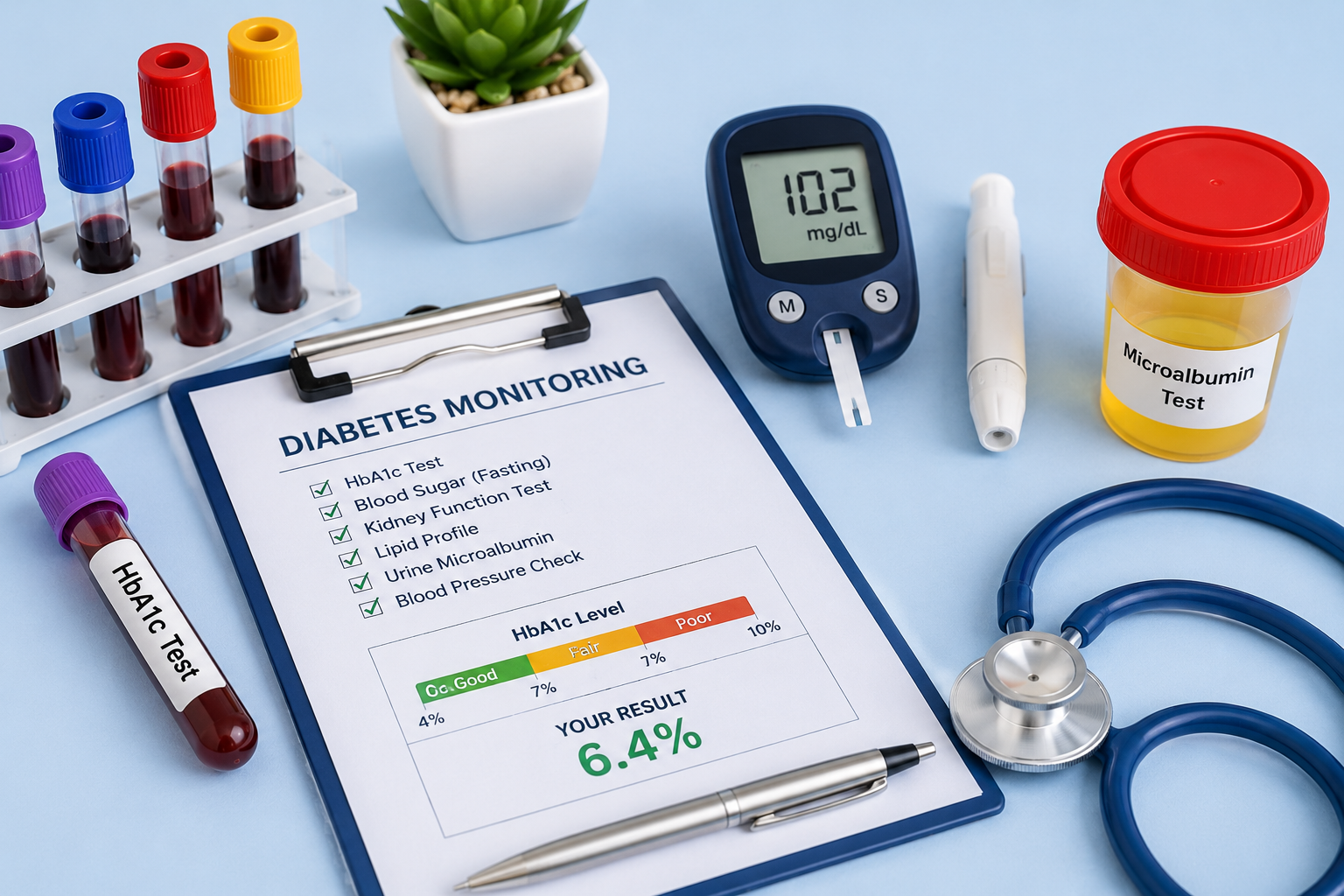
Living with diabetes requires more than simply taking medication or avoiding sugary foods. Instead, successful diabetes management depends on regular monitoring, healthy lifestyle choices, timely medical consultations, and routine laboratory testing. Although blood sugar levels can fluctuate from day to day, long-term monitoring provides a much clearer picture of how well diabetes is being controlled and whether complications are beginning to develop.If you are searching for information about diabetes monitoring in Bengaluru, understanding which tests should be performed every three months can help you take better control of your health.
Moreover, routine monitoring allows healthcare providers to evaluate treatment effectiveness, identify early warning signs of complications, and adjust medications or lifestyle recommendations before serious health problems arise.
Bengaluru has one of India's largest populations of people living with diabetes. Busy work schedules, sedentary office lifestyles, long commuting hours, irregular eating habits, and increasing obesity have all contributed to the growing burden of diabetes across the city. Consequently, regular monitoring has become an essential part of preventive healthcare for thousands of individuals.
At Prima Diagnostics, we provide comprehensive diabetes monitoring packages with advanced laboratory testing, experienced professionals, home sample collection, affordable health packages, and fast digital reports. Whether you have recently been diagnosed with diabetes or have been managing it for years, regular testing supports better long-term health.
In this guide, you will learn why diabetes monitoring matters, which tests should be performed every three months, how kidney health is monitored, why cholesterol and blood pressure remain important, and how comprehensive diabetic monitoring packages simplify routine healthcare.
This Blog Includes:
 Diabetes Monitoring tests to Do Every 3 Months
People with diabetes are commonly advised to monitor HbA1c every three months when treatment is being adjusted or when blood sugar control has not yet stabilized. Depending on individual health needs and medical advice, additional tests may include urine albumin (microalbumin), serum creatinine, estimated glomerular filtration rate (eGFR), lipid profile, blood pressure assessment, kidney function tests, and regular eye and foot examinations. Your healthcare provider will determine the appropriate schedule based on your condition.
Why Diabetes Monitoring Needs to be done in Regular
Diabetes is a long-term condition that can affect multiple organs over time if blood sugar levels remain consistently above target.
Initially, many complications develop silently without causing noticeable symptoms.
Therefore, routine monitoring is essential because it helps detect changes before permanent damage occurs.
Furthermore, regular laboratory testing enables healthcare providers to evaluate treatment response and make timely adjustments.
Benefits of Regular Diabetes Monitoring
Routine diabetes monitoring can help:
Diabetes Monitoring tests to Do Every 3 Months
People with diabetes are commonly advised to monitor HbA1c every three months when treatment is being adjusted or when blood sugar control has not yet stabilized. Depending on individual health needs and medical advice, additional tests may include urine albumin (microalbumin), serum creatinine, estimated glomerular filtration rate (eGFR), lipid profile, blood pressure assessment, kidney function tests, and regular eye and foot examinations. Your healthcare provider will determine the appropriate schedule based on your condition.
Why Diabetes Monitoring Needs to be done in Regular
Diabetes is a long-term condition that can affect multiple organs over time if blood sugar levels remain consistently above target.
Initially, many complications develop silently without causing noticeable symptoms.
Therefore, routine monitoring is essential because it helps detect changes before permanent damage occurs.
Furthermore, regular laboratory testing enables healthcare providers to evaluate treatment response and make timely adjustments.
Benefits of Regular Diabetes Monitoring
Routine diabetes monitoring can help:
- Article Title: Diabetes Monitoring Tests - What to Check Every 3 Months in Bengaluru
- Publisher: Prima Diagnostics
- Type: Condition Management Healthcare Blog
- Topics Covered: Diabetes Monitoring, HbA1c, Blood Sugar Monitoring, Kidney Health, Microalbumin Testing, Creatinine Testing, eGFR, Diabetic Eye Care, Foot Care, Lipid Profile, Blood Pressure Monitoring, Diabetes Complications, Preventive Healthcare, and Home Sample Collection
- Services Covered: Diabetes Monitoring Package, HbA1c Testing, Fasting Blood Sugar, Postprandial Blood Sugar, Kidney Function Testing, Urine Microalbumin Testing, Lipid Profile, Liver Function Testing, Complete Blood Count (CBC), Home Sample Collection, Digital Reports, and Preventive Health Screening
- Tests Included: HbA1c, Fasting Blood Sugar (FBS), Postprandial Blood Sugar (PPBS), Urine Microalbumin, Urine Albumin-to-Creatinine Ratio (ACR), Serum Creatinine, Estimated Glomerular Filtration Rate (eGFR), Kidney Function Test (KFT), Lipid Profile, Complete Blood Count (CBC), Liver Function Test (LFT), Vitamin B12 (when clinically indicated), Thyroid Function Test (TSH), and Blood Pressure Monitoring
- Conditions Covered: Type 1 Diabetes, Type 2 Diabetes, Prediabetes, Diabetic Kidney Disease, Diabetic Retinopathy, Diabetic Neuropathy, Hypertension, Dyslipidemia, and Cardiovascular Risk
- Service Focus: Long-Term Diabetes Monitoring, Kidney Health Monitoring, Cardiovascular Risk Assessment, Preventive Healthcare, Home Sample Collection, Laboratory Diagnostics, Early Detection of Diabetes Complications, and Fast Report Delivery
- Healthcare Service: Diabetes Monitoring, HbA1c Testing, Blood Sugar Testing, Kidney Function Testing, Lipid Profile Testing, Preventive Health Screening, Home Sample Collection, Laboratory Diagnostics, and Chronic Disease Management
- FAQ Section: Included.
Diabetes Monitoring tests to Do Every 3 Months
People with diabetes are commonly advised to monitor HbA1c every three months when treatment is being adjusted or when blood sugar control has not yet stabilized. Depending on individual health needs and medical advice, additional tests may include urine albumin (microalbumin), serum creatinine, estimated glomerular filtration rate (eGFR), lipid profile, blood pressure assessment, kidney function tests, and regular eye and foot examinations. Your healthcare provider will determine the appropriate schedule based on your condition.
Why Diabetes Monitoring Needs to be done in Regular
Diabetes is a long-term condition that can affect multiple organs over time if blood sugar levels remain consistently above target.
Initially, many complications develop silently without causing noticeable symptoms.
Therefore, routine monitoring is essential because it helps detect changes before permanent damage occurs.
Furthermore, regular laboratory testing enables healthcare providers to evaluate treatment response and make timely adjustments.
Benefits of Regular Diabetes Monitoring
Routine diabetes monitoring can help:
- Evaluate long-term blood sugar control
- Detect kidney disease early
- Reduce the risk of cardiovascular complications
- Monitor cholesterol levels
- Identify treatment adjustments when necessary
- Support healthier lifestyle choices
- Encourage medication adherence
- Diabetes has been newly diagnosed
- Medications have recently changed
- Blood sugar targets have not yet been achieved
- Additional treatment adjustments are anticipated
- Daily glucose readings (if available)
- Symptoms
- Medications
- Overall health
- Individual treatment goals
- Adjust medications
- Optimize blood pressure control
- Improve blood sugar management
- Slow the progression of kidney disease
- Loss of sensation
- Skin ulcers
- Pressure points
- Infections
- Circulation problems
- Total cholesterol
- LDL cholesterol
- HDL cholesterol
- Triglycerides
- HbA1c
- Fasting Blood Sugar
- Postprandial Blood Sugar
- Urine Microalbumin
- Serum Creatinine
- eGFR
- Kidney Function Test (KFT)
- Lipid Profile
- Liver Function Test (LFT)
- Complete Blood Count (CBC)
- Trained phlebotomists collect samples at home.
- Safe sample handling protocols are followed.
- Digital reports are delivered promptly.
- Routine monitoring becomes easier for busy professionals, senior citizens, and patients with mobility challenges.