
Are you suddenly feeling unusually warm, even when others around you are comfortable? Do you wake up at night drenched in sweat, struggle with sleep, experience mood changes, or notice irregular periods? If so, menopause could be one possible reason.
In fact, many women in their forties begin experiencing hormonal changes long before their periods stop completely. Furthermore, symptoms often appear gradually, making them easy to overlook or attribute to stress, work pressure, or aging.
However, menopause is a natural biological transition. Nevertheless, understanding the symptoms and undergoing the right tests can help women manage this phase more confidently.
Therefore, if you’re experiencing hot flashes, night sweats, sleep disturbances, or unexplained changes in your health, learning about menopause testing may be beneficial.
In this guide, we’ll discuss when menopause typically begins in Indian women, five important tests for menopause symptoms, treatment options, lifestyle changes, and answers to common questions.
This Blog Includes:
- Article Title: Hot Flashes and Night Sweats Bangalore Women – 5 Tests for Menopause
- Publisher: Prima Diagnostics
- Type: Symptom + Women’s Health Blog
- Condition Covered: Menopause and Perimenopause
- Tests Included: FSH, LH, Estrogen, Thyroid Function Test, Vitamin D Test, Bone Density Assessment
- Symptoms Covered: Hot Flashes, Night Sweats, Mood Changes, Sleep Problems, Fatigue, Irregular Periods
- Topics Covered: Hormonal Changes, Bone Health, Menopause Management, Lifestyle Changes
- Healthcare Service: Menopause Testing and Women’s Hormonal Health Screening
- FAQ Section: Included
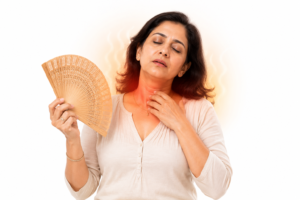
5 Tests for Menopause Symptoms
Women experiencing hot flashes, night sweats, irregular periods, mood changes, or sleep disturbances may benefit from:
- FSH Test
- LH Test
- Estrogen Test
- Thyroid Function Test
- Vitamin D Test
- Bone Density Assessment
These tests help evaluate hormonal changes, nutritional health, and bone strength during the menopausal transition.
What Is Menopause?
Menopause marks the end of a woman’s reproductive years.
Furthermore, it is officially diagnosed when menstrual periods have stopped for 12 consecutive months.
A Natural Life Stage
Menopause is not a disease.
Instead, it represents a normal hormonal transition.
What Happens During Menopause?
The ovaries gradually reduce hormone production.
Consequently, levels of estrogen and progesterone begin to decline.
Why Symptoms Occur
Hormonal fluctuations affect multiple body systems.
As a result, women may experience physical, emotional, and metabolic changes.
When Does Menopause Start in Indian Women?
One of the most common questions women ask involves timing.
Average Menopause Age in India
Studies suggest that Indian women often reach menopause around 46 to 48 years of age.
Therefore, the average age is commonly reported at approximately 47 years.
Earlier Than Many Western Countries
Interestingly, menopause often occurs slightly earlier in Indian women compared to women in many Western nations.
Consequently, symptoms may begin during the early forties.
Perimenopause: The Transition Phase
Before menopause occurs, women enter a stage called perimenopause.
During this period:
- Hormones fluctuate
- Periods become irregular
- Symptoms begin appearing
Furthermore, perimenopause can last several years.
Common Symptoms of Menopause
Symptoms vary significantly among women.
However, certain symptoms occur more frequently.
Hot Flashes
A sudden feeling of intense warmth is one of the most recognized menopause symptoms.
Night Sweats
Many women wake up sweating excessively during sleep.
Consequently, sleep quality may suffer.
Irregular Periods
Menstrual cycles often become unpredictable.
Mood Changes
Some women notice:
- Irritability
- Anxiety
- Mood swings
Sleep Disturbances
Difficulty falling asleep or staying asleep becomes increasingly common.
Fatigue
Poor sleep and hormonal changes may contribute to low energy levels.
Joint and Muscle Discomfort
Some women report increased body aches during menopause.
Reduced Bone Strength
Declining estrogen levels can affect bone health over time.
Why Menopause Testing Is Important
Although symptoms provide valuable clues, testing can help confirm underlying changes.
Therefore, healthcare providers often recommend specific investigations.
Rule Out Other Conditions
Several medical conditions can mimic menopause symptoms.
For example:
- Thyroid disorders
- Vitamin deficiencies
- Stress-related conditions
Consequently, testing helps ensure accurate assessment.
Support Better Treatment Decisions
Understanding hormone levels allows for more personalized healthcare planning.
Test 1: FSH and LH Levels
FSH and LH are reproductive hormones produced by the pituitary gland.
What Is FSH?
Follicle-Stimulating Hormone helps regulate ovarian function.
Why FSH Increases During Menopause
As ovarian activity declines, FSH levels often rise significantly.
Therefore, elevated FSH levels may support menopause assessment.
What Is LH?
Luteinizing Hormone also plays a role in reproductive function.
Why LH Testing Matters
Changes in LH levels may provide additional hormonal information.
Consequently, FSH and LH are commonly ordered together.
When Is This Test Recommended?
Testing may be useful for women experiencing:
- Irregular periods
- Hot flashes
- Night sweats
- Fertility concerns
Test 2: Estrogen Levels
Estrogen is one of the primary female reproductive hormones.
Why Estrogen Matters
Estrogen influences:
- Menstrual cycles
- Bone health
- Skin health
- Mood regulation
What Happens During Menopause?
Estrogen production gradually declines.
Consequently, many menopause symptoms begin to appear.
Symptoms Associated With Low Estrogen
These may include:
- Hot flashes
- Night sweats
- Vaginal dryness
- Sleep problems
Therefore, estrogen testing can provide valuable insights.
Test 3: Thyroid Function Test
Many women are surprised to learn that thyroid disorders can resemble menopause.
Symptoms That Overlap
Both menopause and thyroid disorders may cause:
- Fatigue
- Weight changes
- Mood fluctuations
- Sleep problems
Why Thyroid Screening Is Important
Testing helps determine whether symptoms are hormonal, thyroid-related, or a combination of both.
Consequently, thyroid evaluation remains an important part of menopause assessment.
Common Thyroid Tests
These may include:
- TSH
- Free T3
- Free T4
Test 4: Vitamin D Test
Vitamin D plays an essential role in overall health.
However, deficiency is extremely common among Indian women.
Why Vitamin D Matters During Menopause
Vitamin D supports:
- Bone health
- Muscle strength
- Immune function
Symptoms of Low Vitamin D
Deficiency may contribute to:
- Fatigue
- Muscle aches
- Weakness
- Bone discomfort
Therefore, screening is frequently recommended.
Indoor Lifestyle Factors
Many women spend most of their day indoors.
Consequently, vitamin D deficiency remains widespread.
Test 5: Bone Density Assessment
Bone health becomes increasingly important during menopause.
Why Bone Density Changes
Estrogen helps maintain bone strength.
However, declining estrogen levels can accelerate bone loss.
Understanding Osteoporosis Risk
Reduced bone density may increase the likelihood of fractures.
Therefore, early assessment can be beneficial.
Who Should Consider Bone Density Testing?
Women who have:
- Menopause symptoms
- Family history of osteoporosis
- Previous fractures
- Long-term vitamin D deficiency
May particularly benefit from evaluation.
Additional Health Checks That May Be Recommended
Depending on individual health needs, healthcare providers may also suggest:
Cholesterol levels may change after menopause.
Blood Sugar Testing
Metabolic health remains important during midlife.
General Health Screening
Comprehensive preventive health evaluations may provide a broader picture.
Treatment Options for Menopause Symptoms
Fortunately, several treatment approaches may help manage symptoms.
Hormone Therapy
Some women may benefit from hormone-based treatment plans.
However, suitability varies by individual.
Symptom Management Approaches
Treatment may focus on improving:
- Sleep
- Mood
- Hot flashes
- Quality of life
Personalized Healthcare Matters
Treatment decisions should be based on individual needs and professional guidance.
Therefore, consultation with a healthcare provider is important.
Lifestyle Changes That Can Help
Lifestyle adjustments often play a significant role in symptom management.
Prioritize Regular Exercise
Physical activity supports:
- Bone health
- Weight management
- Mood
Focus on Sleep Hygiene
Good sleep habits may reduce fatigue and improve overall well-being.
Maintain a Balanced Diet
Nutritious eating patterns support hormonal and metabolic health.
Manage Stress Levels
Stress can worsen symptoms.
Consequently, relaxation techniques may be beneficial.
Support Bone Health
Adequate calcium and vitamin D intake remain important during menopause.
When Should You Get Tested?
Many women delay testing because symptoms seem manageable initially.
However, evaluation may be helpful if symptoms begin affecting daily life.
Consider Testing If You Experience
- Persistent hot flashes
- Night sweats
- Irregular periods
- Mood changes
- Sleep disturbances
- Bone health concerns
Early Assessment Provides Clarity
Understanding what is happening within your body can help reduce uncertainty.
Therefore, testing often provides reassurance and direction.
Why Bangalore Women Should Pay Attention to Menopause Health
Modern lifestyles create unique challenges.
Furthermore, many women balance demanding careers, family responsibilities, and personal commitments.
Common Challenges
These may include:
- Work-related stress
- Poor sleep
- Sedentary lifestyles
- Nutritional deficiencies
Consequently, menopause symptoms may feel more difficult to manage.
Importance of Preventive Screening
Regular health assessments help identify concerns early.
As a result, women can make informed healthcare decisions.
Frequently Asked Questions
What is the average menopause age in Indian women?
The average age is approximately 47 years, although timing varies between individuals.
Can menopause start before age 45?
Yes. Some women experience symptoms earlier than average.
Do all women experience hot flashes?
No. Symptoms differ significantly from person to person.
Why is thyroid testing recommended during menopause?
Thyroid disorders can cause symptoms similar to menopause and should be ruled out.
Is vitamin D testing necessary?
Vitamin D deficiency is common among Indian women and may contribute to fatigue and bone-related concerns.
When should I get a bone density test?
Women with menopause symptoms, osteoporosis risk factors, or family history may benefit from assessment.
Conclusion
Menopause is a natural stage of life, yet the symptoms can sometimes feel overwhelming. Fortunately, appropriate testing can help identify hormonal changes, nutritional deficiencies, thyroid disorders, and bone health concerns that may be contributing to symptoms.
Furthermore, understanding your hormone levels and overall health status allows for better treatment planning and lifestyle adjustments. Most importantly, early awareness empowers women to navigate menopause with confidence, comfort, and improved long-term health.