
HDL (Good Cholesterol) Normal Range - and 7 Ways to Raise It
HDL normal range
If your lipid report shows low HDL, you may immediately wonder whether something is wrong with your cholesterol. After all, HDL is commonly called “good cholesterol.” However, cholesterol health is more complicated than simply trying to increase one number.
HDL, or high-density lipoprotein, helps transport cholesterol from the bloodstream and tissues toward the liver, where it can be processed and removed. Therefore, understanding your HDL normal range is useful, but your HDL should always be considered alongside LDL cholesterol, triglycerides, total cholesterol and your overall cardiovascular risk.
For people with sedentary routines, including many urban Bangalore professionals, lifestyle changes can be particularly important.
What Does HDL Do?
HDL is one of the major types of lipoproteins that carry cholesterol through the bloodstream.
In general, higher HDL levels have been associated with lower cardiovascular risk. Nevertheless, simply raising HDL with supplements or medication does not necessarily reduce heart disease risk.
Instead, the focus should be on improving your overall lipid profile and cardiovascular health.
Why Is HDL Called Good Cholesterol?
HDL helps transport excess cholesterol away from tissues and toward the liver.
Consequently, having a healthy HDL level is one part of maintaining a healthier cholesterol balance.
However, HDL is only one piece of the picture. For example, elevated LDL or triglycerides may still increase cardiovascular risk even when HDL is relatively high.
What Is a Good HDL Normal Range?
For adults, commonly used desirable HDL levels are:
Group |
HDL level |
|
Men |
40 mg/dL or higher |
|
Women |
50 mg/dL or higher |
|
Low HDL |
Below 40 mg/dL in men; below 50 mg/dL in women |
|
Higher HDL |
60 mg/dL or above is generally considered favourable |
These are commonly used clinical reference points, but they should not be treated as a standalone diagnosis.
Moreover, your laboratory may provide its own reference range. Therefore, always consider the range printed on your lipid report.
HDL Normal Range in Men
For adult men, an HDL level below 40 mg/dL is generally considered low.
If your report shows a low HDL level, however, do not focus only on increasing that number. Instead, look at the complete lipid profile.
HDL Normal Range in Women
For adult women, HDL below 50 mg/dL is generally considered low.
At the same time, HDL levels can vary with age, hormones, lifestyle and other health factors. Therefore, your doctor may interpret the result alongside your broader cardiovascular risk.
Why Is HDL Low in Indians?
Low HDL can occur for many reasons. Furthermore, population studies have often found lower HDL levels and other unfavourable lipid patterns among South Asian populations.
Sedentary Bangalore Lifestyle
Modern urban routines can contribute to low HDL.
For example, long hours at a desk, commuting, limited outdoor activity, and frequent reliance on convenient foods can reduce daily physical activity.
Therefore, a sedentary lifestyle may contribute to an unfavourable lipid pattern.
Diet and Refined Carbohydrates
A diet high in refined carbohydrates, sugary drinks and highly processed foods can affect triglycerides and other lipid markers.
Consequently, improving overall diet quality is more useful than trying to target HDL alone.
Excess Weight
Carrying excess body weight, particularly around the abdomen, can be associated with an unfavourable metabolic profile.
Therefore, gradual weight management may help improve several cardiovascular risk factors simultaneously.
Smoking
Smoking is associated with lower HDL and increased cardiovascular risk.
If you smoke, quitting can provide much greater health benefits than simply trying to raise HDL.
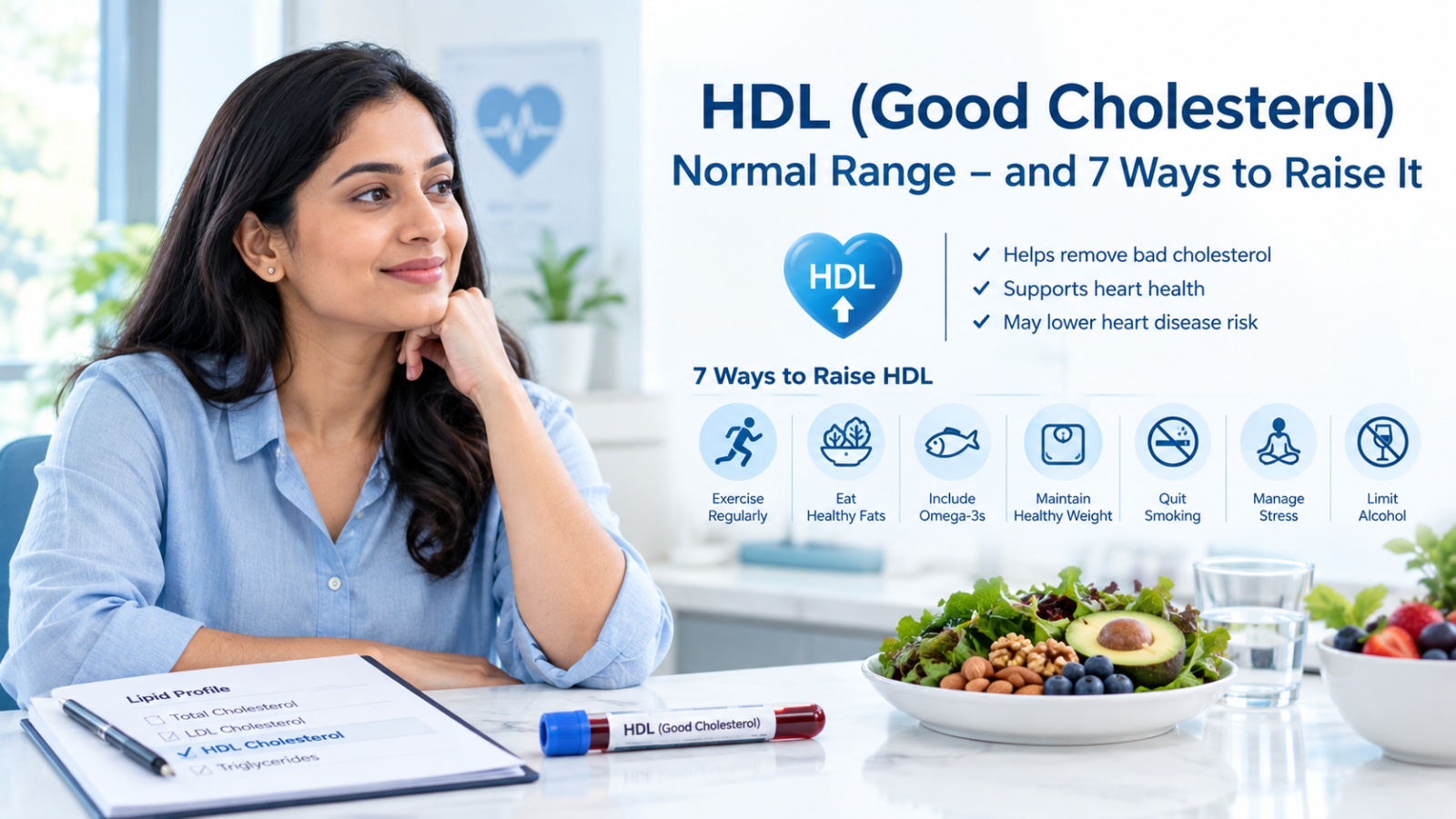
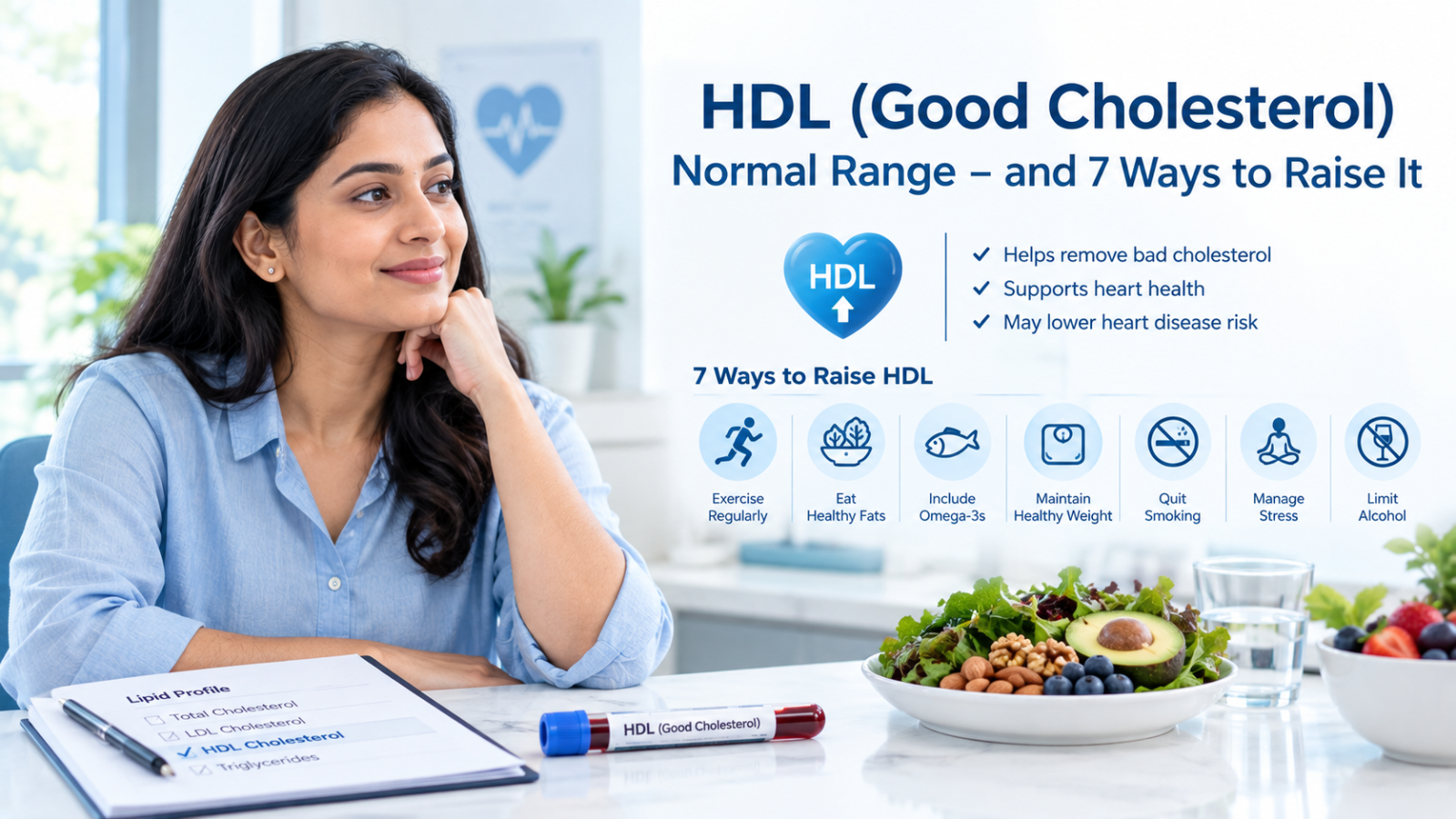
7 Ways to Raise HDL and Improve Heart Health
Rather than chasing one cholesterol number, focus on habits that improve your overall cardiovascular profile.
1. Exercise Regularly
Regular physical activity can improve cardiovascular fitness and may positively affect HDL and triglycerides.
Start with activities such as brisk walking, cycling, swimming or other exercises you enjoy.
Moreover, consistency matters more than occasional intense workouts.
2. Reduce Sedentary Time
If you work at a desk, try breaking up long periods of sitting.
For example, stand up, walk around, or take short movement breaks during the workday.
Even small changes can make an otherwise sedentary routine more active.
3. Choose Healthier Fats
Replace trans fats and excessive saturated fats with healthier unsaturated fat sources where appropriate.
For example, nuts, seeds, fish and certain plant oils can form part of a balanced eating pattern.
However, simply adding more fat to your diet is not a strategy for increasing HDL.
4. Eat More Fibre-Rich Foods
Vegetables, fruits, pulses, whole grains, nuts and seeds can support overall heart health.
Additionally, higher-fibre foods can help make meals more filling and may support healthier cholesterol levels.
5. Reduce Sugary and Refined Foods
Limit frequent consumption of sugary beverages, sweets and highly refined carbohydrate-rich foods.
This is particularly useful when triglycerides are also elevated.
For a better understanding of triglyceride values, see our [triglycerides chart].
6. Maintain a Healthy Weight
If you are carrying excess weight, gradual weight loss can improve several metabolic markers.
Rather than following extreme diets, aim for sustainable eating and activity habits.
7. Stop Smoking
If you smoke, quitting is one of the most important changes you can make for cardiovascular health.
Furthermore, the benefits extend far beyond cholesterol, including lower risks associated with heart and lung disease.
Don't Look at HDL Alone
A low HDL result should be interpreted alongside the rest of your lipid profile.
Check LDL Too
LDL is often a major target when assessing cardiovascular risk.
Therefore, a low HDL result should prompt you to look at your LDL and other risk factors rather than simply trying to increase HDL.
Check Triglycerides
High triglycerides and low HDL can occur together, particularly with insulin resistance and metabolic risk.
Retest in 3 Months
If you have started making meaningful lifestyle changes, your doctor may recommend repeating your lipid profile after an appropriate interval.
Around three months can be a useful timeframe for assessing the effect of sustained lifestyle changes, although the exact timing should be based on your individual situation.
What Should You Compare?
When you repeat your test, compare:
- HDL
- LDL
- Triglycerides
- Total cholesterol
- Other markers recommended by your doctor
Importantly, don't become discouraged if HDL does not rise dramatically. Improving overall cardiovascular risk is the bigger goal.
When Should You Speak to a Doctor?
Discuss your lipid results with a healthcare professional if you have:
- Persistently low HDL
- High LDL
- High triglycerides
- Diabetes or prediabetes
- High blood pressure
- A strong family history of heart disease
- Previous cardiovascular disease
Additionally, people with multiple risk factors may need a more comprehensive cardiovascular risk assessment.
HDL Testing in Bangalore
If you need a lipid profile in Bangalore, Prima Diagnostics provides laboratory testing that can help measure cholesterol and triglyceride levels.
A lipid profile can provide a broader picture than checking HDL alone. Therefore, if you have been told that your HDL is low, discuss whether a complete lipid profile or repeat testing is appropriate.
FAQs About HDL Normal Range
1. What is a good HDL normal range?
For adults, HDL of 40 mg/dL or higher in men and 50 mg/dL or higher in women is generally considered desirable. An HDL of 60 mg/dL or above is often considered favourable.
2. Is HDL below 40 dangerous?
HDL below 40 mg/dL is generally considered low in adults, particularly men. However, cardiovascular risk depends on the complete lipid profile and other health factors.
3. How can I increase HDL naturally?
Regular exercise, reducing sedentary time, maintaining a healthy weight, avoiding smoking and eating a balanced diet can support a healthier lipid profile.
4. Can low HDL be caused by a sedentary lifestyle?
Yes. Physical inactivity can contribute to an unfavourable lipid pattern. Therefore, increasing regular movement can be an important part of improving cardiovascular health.
5. Should I take supplements to increase HDL?
Do not start supplements simply to increase HDL. Instead, discuss your complete lipid profile and cardiovascular risk with your healthcare provider.
6. When should I repeat my cholesterol test?
Depending on your circumstances, your doctor may recommend repeating the lipid profile after several months of lifestyle changes. Around three months may be considered in some situations, but the appropriate interval varies.
Conclusion
A low HDL result can be concerning, but it is important to look beyond a single number. Your HDL normal range provides useful context; however, LDL, triglycerides, total cholesterol, blood pressure, blood sugar, lifestyle and family history all contribute to cardiovascular risk.
For many people, particularly those following a sedentary urban lifestyle in Bangalore, regular exercise, healthier eating, weight management, reduced sitting and smoking cessation can make a meaningful difference.
Ultimately, the goal is not simply to chase a higher HDL number. Instead, focus on improving your overall lipid profile and long-term heart health.