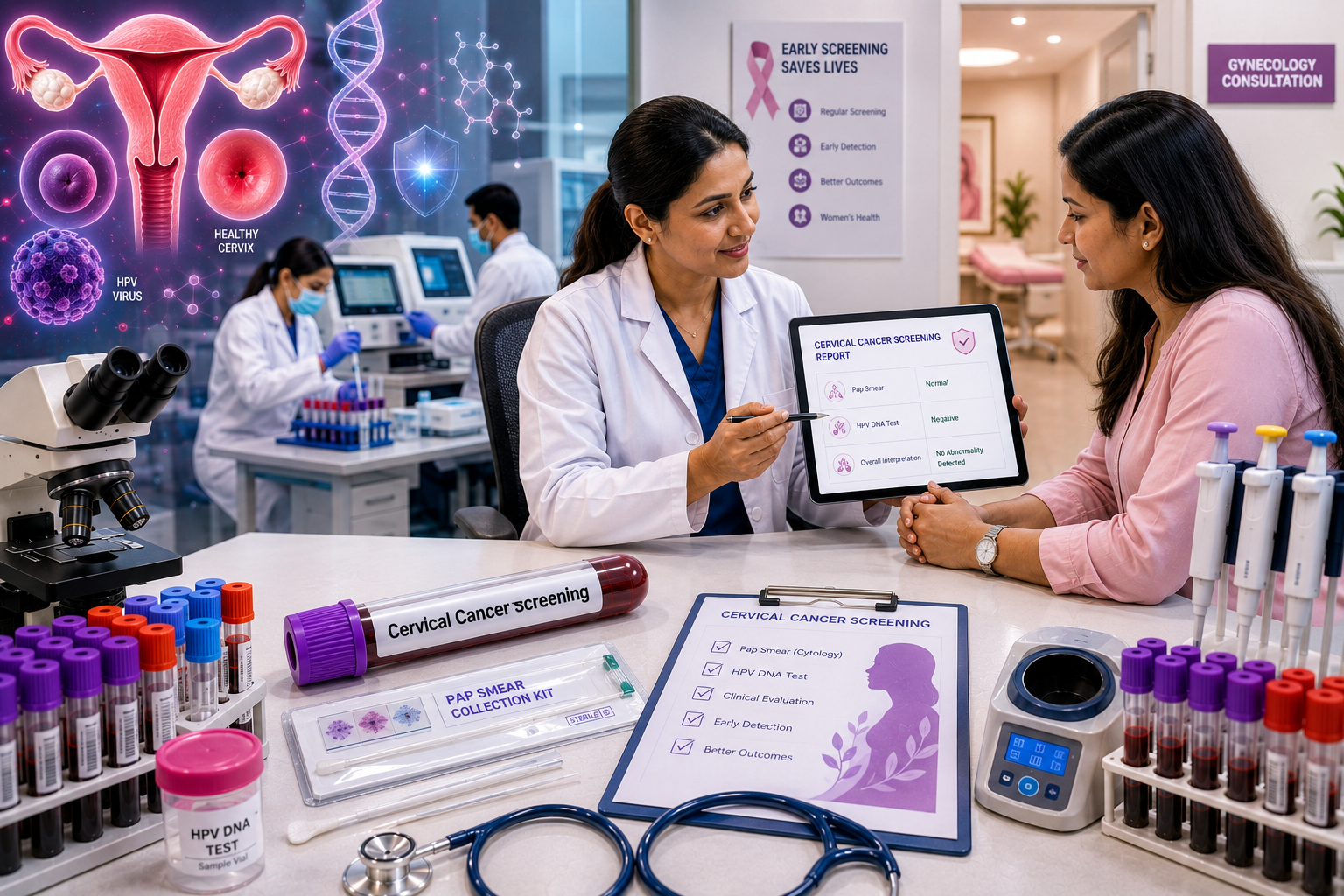
Cervical cancer is one of the few cancers that is
largely preventable with regular screening and timely medical care. Yet, despite advances in healthcare, many women delay testing because they have no symptoms, feel embarrassed, or simply do not know when screening should begin. Unfortunately, cervical cancer often develops silently, and symptoms may not appear until the disease has progressed. The encouraging news is that regular
Cervical Cancer and HPV Test screening can detect abnormal cervical changes long before they become cancer. When these changes are identified early, treatment is often simpler and highly effective.
If you are searching for a
Cervical Cancer and HPV Test in Bengaluru, understanding the difference between a Pap smear and an HPV test, knowing when screening should begin, and learning what your results mean can help you make informed decisions about your long-term health.
Moreover, with increasing awareness among women in Bengaluru—especially those balancing demanding careers, family responsibilities, and delayed pregnancies—preventive cervical screening has become more important than ever.
This Blog Includes:
- Article Title: Cervical Cancer and HPV Test in Bengaluru – Every Woman Over 30
- Publisher: Prima Diagnostics
- Type: Cancer Screening Healthcare Blog
- Topics Covered: Cervical Cancer, Human Papillomavirus (HPV), Cervical Cancer Prevention, Pap Smear, HPV Test, HPV Vaccine, Cervical Screening Guidelines, Abnormal Cervical Cells, High-Risk HPV, Women's Preventive Health, Confidential Testing, and Early Cancer Detection.
- Services Covered: HPV Test, Pap Smear Test, Women's Health Screening, Cervical Cancer Screening, Preventive Health Packages, Laboratory Diagnostics, Home Sample Collection (for eligible laboratory tests), Digital Reports, and Cancer Screening Support.
- Tests Included: HPV DNA Test, Pap Smear (Cervical Cytology), Reflex HPV Testing (where applicable), Histopathology Support (when indicated), Complete Blood Count (CBC), and Additional Women's Health Investigations (when clinically recommended).
- Preparation Guidance: Follow healthcare provider instructions, schedule screening when not menstruating if advised, avoid vaginal medications or intercourse before the test if instructed by your doctor, maintain personal hygiene, and attend follow-up appointments if required.
- Service Focus: Cervical Cancer Prevention, Women's Preventive Healthcare, HPV Detection, Early Cancer Screening, Laboratory Diagnostics, Confidential Women's Health Services, Patient Education, and Routine Health Monitoring.
- Healthcare Service: Cervical Cancer Screening, HPV Testing, Pap Smear Testing, Women's Health Screening, Preventive Health Screening, Laboratory Diagnostics, Cancer Prevention Services, Wellness Testing, Patient Education, and Women's Preventive Care.
- FAQ Section: Included.
 Pap Smear vs HPV Test – Which and When?
A
Pap smear looks for abnormal or precancerous cells on the cervix, while an
HPV test detects high-risk Human Papillomavirus (HPV) types that can lead to cervical cancer. Women generally begin cervical cancer screening from the age recommended by their healthcare provider, and many women aged
30 years and above may benefit from HPV testing, either alone or together with a Pap smear, depending on current medical guidelines and individual risk factors.
What Is Cervical Cancer?
Cervical cancer develops in the cells of the cervix, which is the lower part of the uterus connecting to the vagina.
Unlike many cancers, cervical cancer usually develops
slowly over several years.
Before cancer develops, the cervical cells often pass through
precancerous changes, which can be detected through regular screening.
Therefore, routine testing provides an opportunity to identify and treat abnormal cells before they become cancerous.
Why Cervical Cancer Is One of the Most Preventable Cancers
One of the biggest advantages of cervical cancer screening is that it detects disease
before symptoms appear.
Because precancerous changes develop gradually, regular testing allows doctors to:
- Detect abnormal cervical cells early
- Identify high-risk HPV infections
- Monitor changes over time
- Recommend timely treatment when necessary
- Reduce the risk of cervical cancer
Consequently, women who undergo regular screening have a significantly better chance of preventing cervical cancer than those who never get tested.
Screening Detects Changes Before Cancer Develops
Unlike tests that detect existing cancer, cervical screening often identifies changes that may eventually become cancer if left untreated.
Early Detection Improves Outcomes
When cervical abnormalities are identified early, treatment is generally less invasive and more successful.
Regular Follow-Up Makes a Difference
Even if an HPV infection is detected, regular follow-up helps monitor whether the infection clears naturally or requires further evaluation.
What Causes Cervical Cancer?
The primary cause of cervical cancer is
persistent infection with high-risk Human Papillomavirus (HPV).
HPV is a common virus transmitted through intimate skin-to-skin contact.
In most people, the immune system clears HPV naturally.
However, in some women, persistent infection with certain high-risk HPV types may eventually lead to abnormal cervical cell changes.
Importantly,
having HPV does not mean you have cervical cancer.
Instead, it indicates the need for appropriate medical follow-up.
What Is an HPV Test?
An HPV test looks specifically for
high-risk HPV strains associated with cervical cancer.
Rather than detecting cancer itself, the test identifies whether high-risk viral types are present.
Doctors commonly recommend HPV testing:
- As part of routine cervical screening
- Along with a Pap smear in eligible women
- During follow-up after abnormal cervical screening
- According to age and national screening guidelines
What Is a Pap Smear?
A Pap smear (Pap test) examines cells collected from the cervix under a microscope.
Its purpose is to identify:
- Normal cervical cells
- Abnormal cells
- Precancerous changes
- Changes requiring further investigation
Therefore, while the HPV test looks for the virus, the Pap smear examines the cervical cells themselves.
Pap Smear vs HPV Test
Although both tests help prevent cervical cancer, they serve different purposes.
| Pap Smear |
HPV Test |
| Detects abnormal cervical cells |
Detects high-risk HPV infection |
| Looks for precancerous cell changes |
Identifies viral infection before cell changes occur |
| Helps determine need for further evaluation |
Assesses cervical cancer risk |
| May be performed alone or with HPV testing |
Often combined with Pap smear in women aged 30+ |
Your healthcare provider will recommend the most appropriate screening strategy based on your age, medical history, symptoms, and current clinical guidelines.
When Should Women Start Cervical Cancer Screening?
Screening recommendations vary depending on:
- Age
- Medical history
- Previous screening results
- Immune status
- National and international guidelines
For many women, regular screening becomes particularly important after
30 years of age, especially when HPV testing is included.
Always discuss the most appropriate screening schedule with your healthcare provider.
How Often Should Screening Be Done?
The screening interval depends on:
- Your age
- Type of test performed
- Previous results
- Individual risk factors
Some women may require more frequent follow-up, while others may be screened at longer intervals.
Therefore, never rely on a fixed schedule without medical advice.
Who Should Consider an HPV Test?
Your doctor may recommend HPV testing if you:
- Are 30 years or older
- Require routine cervical screening
- Have had previous abnormal Pap smear results
- Need follow-up after cervical treatment
- Have specific risk factors identified by your healthcare provider
HPV Vaccine and Cervical Cancer Prevention
The HPV vaccine protects against several high-risk HPV types responsible for most cervical cancers.
The vaccine works
best before HPV exposure, but some adults may still benefit depending on their age and vaccination history.
Importantly:
- Vaccination does not replace cervical screening.
- Even vaccinated women should continue regular screening according to medical recommendations.
Therefore, vaccination and screening work together to reduce cervical cancer risk.
What Does an Abnormal Result Mean?
Receiving an abnormal Pap smear or HPV result can understandably cause anxiety.
However, an abnormal result
does not automatically mean cancer.
It may indicate:
- Temporary HPV infection
- Mild cervical cell changes
- Precancerous changes
- Need for repeat testing
- Need for additional evaluation such as colposcopy
Fortunately, many abnormal results resolve naturally or can be treated successfully when detected early.
Positive HPV Test
A positive HPV test simply means high-risk HPV was detected.
Further evaluation depends on:
- HPV type
- Pap smear findings
- Your age
- Previous screening history
Abnormal Pap Smear
Abnormal cervical cells may require repeat screening or additional diagnostic procedures as recommended by your doctor.
Does the HPV Test Hurt?
Most women experience only mild discomfort during sample collection.
The procedure usually takes only a few minutes and does not require hospital admission.
Confidential Sample Collection for Cervical Cancer and HPV Test
Many women delay cervical screening because they worry about privacy.
At Prima Diagnostics, patient confidentiality remains a priority.
We provide:
- Professional female healthcare staff (where applicable)
- Private sample collection
- Secure patient records
- Confidential reporting
- Digital reports
- Respectful patient care
This allows women to undergo screening comfortably and with confidence.
Cervical Cancer and HPV Test Cost in Bengaluru
The cost of
Cervical Cancer and HPV Test screening in Bengaluru depends on:
- Pap smear alone
- HPV test alone
- Combined Pap smear and HPV testing
- Additional pathology evaluation
Patients can contact Prima Diagnostics for current pricing and available women's health packages.
Why Choose Prima Diagnostics?
Prima Diagnostics supports women's preventive healthcare through reliable laboratory services.
Services include:
- HPV Testing
- Pap Smear Testing
- Women's Preventive Health Packages
- Cancer Screening Support
- Blood Tests
- Home Sample Collection (for eligible laboratory tests)
- Digital Reports
- Experienced Laboratory Professionals
- Advanced Diagnostic Equipment
Whether you are attending your first screening or undergoing routine follow-up, Prima Diagnostics provides accurate, confidential, and patient-focused care.
Lifestyle Tips to Reduce Risk of Cervical Cancer and HPV Test
Although screening remains the most effective preventive strategy, healthy habits also contribute to overall cervical health.
These include:
- Regular cervical screening
- HPV vaccination (when appropriate)
- Avoiding tobacco use
- Practising safer sexual health
- Maintaining regular medical check-ups
- Seeking medical advice for abnormal symptoms
Frequently Asked Questions
Is HPV the same as cervical cancer?
No. HPV is a virus, while cervical cancer is a disease that may develop after persistent infection with certain high-risk HPV types.
Can I have HPV without symptoms?
Yes. Most HPV infections cause no noticeable symptoms.
Which is better: Pap smear or HPV test?
Neither test is universally "better." They provide different information and are often used together depending on age and clinical recommendations.
Does HPV testing replace the Pap smear?
Not always. Many women benefit from both tests, depending on their healthcare provider's advice.
Is the HPV vaccine still useful for adults?
Some adults may still benefit. Discuss vaccination eligibility with your healthcare provider.
Is cervical screening confidential?
Yes. Prima Diagnostics provides confidential testing and secure reporting.
Where can I get a Cervical Cancer and HPV Test in Bengaluru?
Prima Diagnostics offers cervical screening support, women's health testing, confidential services, and digital reports across Bengaluru.
Conclusion
Cervical cancer is one of the most preventable cancers, yet many women miss the opportunity for early detection because they delay routine screening. Regular
Cervical Cancer and HPV Test screening can identify high-risk HPV infections and abnormal cervical cell changes long before cancer develops, allowing timely medical intervention and significantly improving outcomes.
Whether you are over 30, planning regular preventive health check-ups, or simply want to stay informed about your cervical health, screening is a proactive step toward long-term well-being. At Prima Diagnostics, women can access reliable HPV testing, Pap smear support, confidential services, experienced laboratory professionals, and prompt digital reports—all delivered with a commitment to privacy, accuracy, and compassionate care.