Cervical cancer is one of the most preventable types of cancer when detected early. Fortunately, regular screening through a Pap smear test can identify abnormal cervical cells before they develop into cancer. As a result, women can receive timely treatment and significantly reduce their risk of serious complications.
Moreover, many women with early cervical cell changes do not experience noticeable symptoms. Therefore, waiting for symptoms to appear may delay diagnosis. Instead, routine screening is one of the most effective ways to protect long-term reproductive health.
If you are searching for a pap smear test in Bangalore, understanding how the test works, who should undergo screening, its connection with Human Papillomavirus (HPV), and what factors influence the cost can help you make informed healthcare decisions.
Furthermore, with increasing awareness about preventive healthcare among women in Bangalore, Pap smear screening has become an important part of routine women’s health checkups.
This Blog Includes:
- Article Title: Pap Smear Test – Cervical Cancer Screening
- Publisher: Prima Diagnostics
- Test Covered: Pap Smear Test
- Health Conditions Covered: Cervical Cancer, HPV Infection, Abnormal Cervical Cells, Precancerous Cervical Changes
- Topics Covered: What Is a Pap Smear, HPV, Cervical Cancer Screening, Pap Smear Procedure, Pap Smear Cost, Screening Recommendations, Test Preparation, Understanding Results
- Women’s Health Focus: Cervical Health, Preventive Women’s Healthcare, Cancer Screening
- Related Test: HPV Test
- Diagnostic Services Mentioned: Cervical Cancer Screening, Women’s Preventive Health Screening, Laboratory Diagnostics
- Healthcare Service: Cervical Cancer Screening and Women’s Preventive Healthcare
- FAQ Section: Included.

Pap Smear Explained
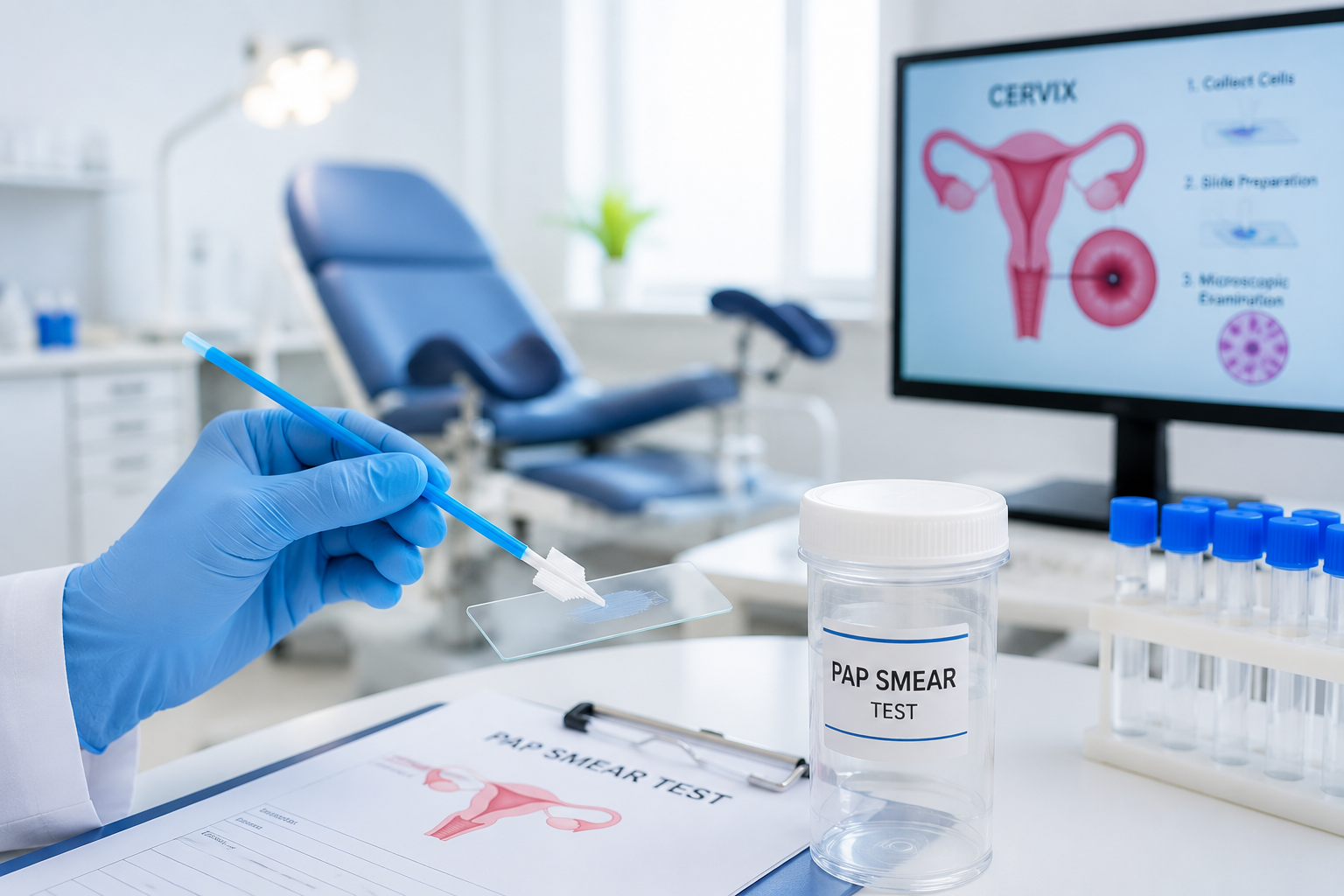
A Pap smear test is a cervical cancer screening procedure that collects cells from the cervix to detect abnormal or precancerous changes. It helps identify cervical cell abnormalities early, often before cancer develops.
Doctors may recommend a Pap smear as part of routine women’s preventive healthcare. Depending on age and risk factors, HPV testing may also be performed alongside a Pap smear.
What Is a Pap Smear Test?
A Pap smear, also known as a Pap test, is a screening procedure used to examine cervical cells for abnormalities.
Rather than diagnosing cervical cancer directly, the test detects abnormal cell changes that may require further evaluation or treatment.
Consequently, early detection significantly improves the chances of preventing cervical cancer.
How Does a Pap Smear Work?
During the procedure, a healthcare professional gently collects a small sample of cells from the cervix using a soft brush or spatula.
The sample is then sent to a laboratory for microscopic examination.
As a result, specialists can identify:
- Normal cervical cells
- Abnormal cervical cells
- Precancerous changes
- Certain infections
Why Is Cervical Cancer Screening Important?
Cervical cancer often develops slowly over several years.
Furthermore, abnormal cervical cells usually do not cause symptoms during the early stages.
Therefore, regular Pap smear screening helps detect changes before they progress into cancer.
Who Should Consider a Pap Smear Test?
Pap smear recommendations may vary depending on age, health history, and individual risk factors.
However, routine cervical screening is an important part of preventive healthcare for many women.
Women Aged 21 Years and Above
Healthcare providers commonly recommend beginning cervical cancer screening in early adulthood according to established medical guidelines.
Women Who Are Sexually Active
Sexual activity increases the likelihood of HPV exposure, making regular screening important.
Women with Previous Abnormal Pap Results
Individuals with abnormal screening history may require closer monitoring.
Women with Certain Risk Factors
Risk factors may include:
- HPV infection
- Weakened immune system
- Smoking
- Previous cervical abnormalities
- Family history of cervical cancer
Therefore, personalized screening schedules may be recommended.
Understanding HPV and Its Role in Cervical Cancer
One of the most important topics related to cervical cancer screening is Human Papillomavirus (HPV).
What Is HPV?
HPV is a common viral infection that spreads primarily through intimate skin-to-skin contact.
In many individuals, the infection clears naturally without causing health problems.
However, certain high-risk HPV types may cause abnormal cervical cell changes.
Does HPV Always Cause Cancer?
No.
Most HPV infections resolve naturally.
However, persistent infection with high-risk HPV strains may increase the risk of cervical cancer over time.
Therefore, regular screening remains important even when no symptoms are present.
HPV Testing
In some cases, healthcare providers recommend HPV testing along with a Pap smear.
HPV testing helps identify high-risk viral strains associated with cervical cancer.
Consequently, combined screening may provide additional clinical information.
Benefits of a Pap Smear Test
Routine cervical cancer screening offers numerous health benefits.
Early Detection
Abnormal cervical cells can be identified before cancer develops.
Better Treatment Outcomes
Early intervention often requires less extensive treatment.
Prevention of Cervical Cancer
Treating precancerous changes can prevent progression to cancer.
Peace of Mind
Regular screening helps women stay informed about their reproductive health.
Signs That Require Medical Evaluation
Although Pap smears are routine screening tests, certain symptoms should prompt medical consultation.
Unusual Vaginal Bleeding
Bleeding between menstrual periods or after intercourse requires evaluation.
Persistent Pelvic Pain
Long-term pelvic discomfort should not be ignored.
Abnormal Vaginal Discharge
Changes in color, odor, or consistency warrant medical assessment.
Pain During Intercourse
Persistent discomfort should be discussed with a healthcare provider.
Therefore, timely medical evaluation remains essential.
Preparing for a Pap Smear Test
Proper preparation can improve sample quality.
Schedule at the Appropriate Time
Avoid scheduling during heavy menstrual bleeding whenever possible.
Avoid Certain Products
Healthcare providers may recommend avoiding vaginal medications, creams, or douching before the test unless medically advised.
Inform Your Healthcare Provider
Discuss:
- Pregnancy
- Previous Pap smear results
- Current medications
- Existing medical conditions
Follow Pre-Test Instructions
Carefully following medical instructions helps ensure accurate results.
Pap Smear Test Cost in Bangalore
One of the most common questions relates to pricing.
Although costs vary among diagnostic centers and healthcare providers, several factors may influence the overall cost.
Factors Affecting Pap Smear Test Cost
Laboratory Processing
The type of laboratory analysis may affect pricing.
Additional HPV Testing
Combined HPV testing may influence the total cost.
Healthcare Facility
Facilities and services offered can vary between centers.
Specialist Consultation
If required, consultation fees may be separate.
Therefore, discussing pricing beforehand can help you understand the complete cost.
Bangalore Women’s Health Awareness
Women’s preventive healthcare has become increasingly important across Bangalore.
Consequently, more women are choosing routine health screenings.
Growing Focus on Preventive Care
Awareness regarding cervical cancer prevention continues to increase.
Therefore, routine screening is becoming more common.
Busy Urban Lifestyles
Many women postpone health checkups due to work and family commitments.
However, regular screening remains an important investment in long-term health.
Importance of Routine Women’s Health Checkups
Preventive health assessments support early detection of several conditions.
Consequently, cervical cancer screening forms an important part of comprehensive women’s healthcare.
Understanding Pap Smear Results
Receiving your test results may raise questions.
Fortunately, most results are straightforward and interpreted by qualified healthcare professionals.
Normal Results
Normal cervical cells indicate no significant abnormalities at the time of testing.
Abnormal Results
An abnormal result does not necessarily mean cancer.
Instead, it may indicate:
- Mild cellular changes
- HPV-related changes
- Inflammation
- Precancerous abnormalities
Consequently, additional evaluation may sometimes be recommended.
Why Choose Prima Diagnostics?
Choosing a trusted diagnostic provider is an important part of preventive healthcare.
At Prima Diagnostics, patients benefit from:
Quality Laboratory Standards
Reliable testing supports accurate diagnosis.
Experienced Healthcare Professionals
Qualified experts maintain high-quality diagnostic practices.
Women’s Preventive Healthcare Services
Comprehensive screening supports long-term wellness.
Timely Reporting
Efficient report delivery supports prompt medical consultation.
Patient-Centered Care
Comfort, privacy, and professional service remain top priorities.
Frequently Asked Questions (FAQs)
What is a Pap smear test?
A Pap smear is a cervical cancer screening test that examines cervical cells for abnormal or precancerous changes.
Is a Pap smear painful?
Most women experience only mild discomfort, and the procedure usually takes only a few minutes.
Can a Pap smear detect HPV?
A Pap smear detects abnormal cervical cells, while HPV testing specifically identifies high-risk HPV infections. Both tests may sometimes be performed together.
How often should a Pap smear be performed?
Screening intervals depend on age, medical history, previous results, and healthcare provider recommendations.
What is the Pap smear test cost in Bangalore?
The cost may vary depending on laboratory services, HPV testing, the healthcare facility, and additional consultation requirements.
Why is cervical cancer screening important?
Regular screening helps detect abnormal cervical cells early, allowing timely treatment and reducing the risk of cervical cancer.
Conclusion
A pap smear test in Bangalore is one of the most important preventive healthcare tools available for women. By identifying abnormal cervical cells before they become cancerous, the test plays a crucial role in protecting long-term reproductive health.
Moreover, understanding the connection between HPV and cervical cancer highlights the importance of regular screening, even in the absence of symptoms. Therefore, women should discuss appropriate screening schedules with their healthcare provider based on age, medical history, and individual risk factors.
Ultimately, prioritizing routine cervical cancer screening is a proactive step toward better health, early detection, and greater peace of mind.