
Blood sugar levels provide valuable insights into your overall health and are among the most important indicators used to diagnose and monitor diabetes. Whether you are undergoing a routine health checkup, have a family history of diabetes, or simply want to maintain good health, understanding the normal blood sugar level by age can help you recognize early warning signs before complications develop.
In India, diabetes has become one of the fastest-growing health concerns. Moreover, many individuals develop insulin resistance years before symptoms become noticeable. Consequently, regular blood sugar testing has become an essential part of preventive healthcare.
Many people wonder whether blood sugar levels should vary with age. While aging may slightly affect glucose metabolism, the recommended normal blood sugar level ranges for healthy adults remain largely the same across age groups. However, doctors may individualize treatment goals for older adults based on their overall health and medical conditions.
This guide explains the normal blood sugar level chart by age (fasting, post-meal, and random), the difference between prediabetes and diabetes, proper testing methods, and when an HbA1c test should also be performed.
This Blog Includes:
- Article Title: Normal Blood Sugar Level by Age Chart (Fasting, PP, and Random) for Indians
- Publisher: Prima Diagnostics
- Type: Chart / Normal Range Healthcare Blog
- Topics Covered: Normal Blood Sugar Levels, Fasting Blood Sugar, Postprandial (PP) Blood Sugar, Random Blood Sugar, Blood Sugar Charts by Age, Prediabetes, Diabetes, HbA1c, Blood Sugar Testing, Diabetes Prevention, and Preventive Health Screening
- Charts Included: Fasting Blood Sugar Chart by Age, Post-Meal Blood Sugar Chart, Random Blood Sugar Range Chart, Prediabetes vs Diabetes Cut-Off Chart, HbA1c Interpretation Chart, and Blood Sugar Reference Tables
- Tests Included: Fasting Blood Sugar (FBS), Postprandial Blood Sugar (PPBS), Random Blood Sugar (RBS), HbA1c Test, Oral Glucose Tolerance Test (OGTT), Lipid Profile, Kidney Function Test (KFT), Liver Function Test (LFT), Urine Routine Examination, and Full Body Health Checkup
- Conditions Covered: Prediabetes, Type 2 Diabetes, Hyperglycemia, Insulin Resistance, Metabolic Syndrome, Obesity, and Diabetes Risk Factors
- Healthcare Service: Diabetes Screening, Blood Sugar Testing, HbA1c Testing, Preventive Health Checkups, Laboratory Diagnostics, and Health Risk Assessment
- FAQ Section: Included
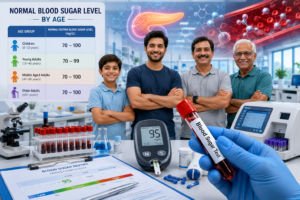
Normal Blood Sugar Level Chart by Age (Fasting, PP, Random)
For most healthy Indian adults, normal fasting blood sugar is 70–99 mg/dL, 2-hour post-meal (PP) blood sugar is generally below 140 mg/dL, and random blood sugar is usually below 140 mg/dL in people without diabetes. Values in the prediabetes and diabetes ranges require medical evaluation, and an HbA1c test may be recommended to assess long-term blood sugar control.
What is a Normal Blood Sugar Level?
Blood sugar (blood glucose) refers to the amount of glucose circulating in your bloodstream. Glucose is the body’s primary source of energy and is obtained mainly from carbohydrates in the diet.
After eating, blood sugar naturally rises. Subsequently, insulin, a hormone produced by the pancreas, helps move glucose into cells where it is used for energy. However, when insulin production or its effectiveness decreases, blood sugar levels remain elevated, increasing the risk of prediabetes and diabetes.
Therefore, measuring blood sugar at different times of the day provides important information about how your body regulates glucose.
Why Blood Sugar Testing Matters
Routine blood sugar testing helps:
- Detect diabetes early
- Identify prediabetes before it progresses
- Monitor diabetes treatment
- Evaluate lifestyle changes
- Reduce the risk of complications
- Support preventive healthcare
Furthermore, early diagnosis allows timely intervention through diet, exercise, medication, and regular monitoring.
Fasting Sugar Normal Range Chart by Age
A fasting blood sugar (FBS) test measures glucose levels after 8–12 hours of fasting.
Although the interpretation is generally the same for adults, the table below provides a practical age-wise reference.
| Age Group | Normal Fasting Blood Sugar |
| Children (6–12 years) | 70–99 mg/dL* |
| Teenagers (13–19 years) | 70–99 mg/dL |
| Adults (20–39 years) | 70–99 mg/dL |
| Adults (40–59 years) | 70–99 mg/dL |
| Adults (60+ years) | 70–99 mg/dL (treatment targets may differ based on overall health) |
*Interpretation in children should always be guided by a pediatrician.
Fasting Blood Sugar Interpretation
| Fasting Blood Sugar | Interpretation |
| 70–99 mg/dL | Normal |
| 100–125 mg/dL | Prediabetes |
| 126 mg/dL or higher (on two separate tests) | Diabetes |
Therefore, if your fasting blood sugar falls within the prediabetes or diabetes range, your doctor may recommend repeat testing and an HbA1c test.
Post-Meal (PP) Sugar Chart
A Postprandial (PP) Blood Sugar test is performed 2 hours after the start of a meal. It helps assess how efficiently your body processes glucose after eating.
| Age Group | Normal 2-Hour PP Blood Sugar |
| Adults | Below 140 mg/dL |
| Older Adults | Below 140 mg/dL (individual targets may vary) |
PP Blood Sugar Interpretation
| 2-Hour PP Blood Sugar | Interpretation |
| Below 140 mg/dL | Normal |
| 140–199 mg/dL | Prediabetes / Impaired Glucose Tolerance |
| 200 mg/dL or higher | Suggestive of Diabetes (requires confirmation) |
Consequently, PP testing is particularly useful for identifying early abnormalities that may not be evident on fasting glucose alone.
Random Sugar Range
A Random Blood Sugar (RBS) test can be performed at any time of the day, regardless of when you last ate.
Normal Random Blood Sugar
| Random Blood Sugar | Interpretation |
| Below 140 mg/dL | Generally Normal |
| 140–199 mg/dL | May Require Further Evaluation |
| 200 mg/dL or higher with classic symptoms of diabetes | Suggestive of Diabetes (medical evaluation required) |
Symptoms may include:
- Excessive thirst
- Frequent urination
- Unexplained weight loss
- Blurred vision
- Fatigue
Accordingly, doctors often confirm abnormal random blood sugar results with fasting blood sugar and HbA1c testing.
Prediabetes vs Diabetes Cut-Offs
Understanding the difference between prediabetes and diabetes is essential because early intervention during the prediabetes stage can often delay or prevent the development of type 2 diabetes.
| Test | Normal | Prediabetes | Diabetes |
| Fasting Blood Sugar | 70–99 mg/dL | 100–125 mg/dL | ≥126 mg/dL* |
| 2-Hour PP Blood Sugar | <140 mg/dL | 140–199 mg/dL | ≥200 mg/dL* |
| HbA1c | <5.7% | 5.7–6.4% | ≥6.5%* |
*Diagnosis should be confirmed according to your healthcare provider’s recommendations.
Why Indians Cross the Line 10 Years Earlier
Research has consistently shown that many Indians develop insulin resistance and type 2 diabetes at a younger age than people in many Western populations. While genetics play a role, lifestyle factors significantly contribute to this earlier onset.
Higher Abdominal Fat
Even individuals with a normal body weight may have increased abdominal fat, which is closely associated with insulin resistance.
Sedentary Lifestyle
Desk-based work, limited physical activity, and prolonged sitting reduce insulin sensitivity over time.
Refined Carbohydrate Intake
Frequent consumption of polished rice, refined flour products, sugary beverages, and processed snacks may contribute to rising blood sugar levels.
Family History
Having one or both parents with diabetes increases the likelihood of developing the condition.
Chronic Stress and Poor Sleep
Stress hormones and inadequate sleep can affect glucose metabolism and insulin function.
Bangalore Lifestyle and Diabetes Risk
The Bangalore diabetes rate is considered higher than the national average in many urban populations, partly because of sedentary office jobs and changing dietary habits. Moreover, long working hours in the city’s IT sector, limited physical activity, late-night schedules, and frequent Swiggy dinners or restaurant meals can contribute to weight gain and insulin resistance. Consequently, regular blood sugar screening and preventive health checkups are especially important for professionals with desk-based lifestyles.
How to Test Correctly (Fasting Rules)
Proper preparation is essential for obtaining accurate fasting blood sugar results.
Fast for 8–12 Hours
Consume only plain water during the fasting period unless advised otherwise by your doctor.
Stay Hydrated
Drinking water is generally encouraged before the test.
Avoid Alcohol
Alcohol may affect glucose levels and should be avoided before testing.
Do Not Exercise Strenuously Before the Test
Heavy exercise immediately before blood collection may influence results.
Continue Medications Only as Advised
Never stop prescribed medications unless specifically instructed by your healthcare provider.
When to Book HbA1c Too
Although fasting and PP tests measure blood sugar at a specific moment, the HbA1c test reflects your average blood sugar over the previous 2–3 months.
Doctors commonly recommend HbA1c if:
- Your fasting blood sugar is elevated.
- The PP blood sugar is abnormal.
- Have symptoms of diabetes.
- Having a family history of diabetes.
- You are overweight or obese.
- You are over 35 years of age.
- Having polycystic ovary syndrome (PCOS).
- For pregnant women (as advised by your doctor).
- We require long-term diabetes monitoring.
Because HbA1c is not affected by day-to-day fluctuations, it provides a broader picture of glucose control.
Who Should Get Regular Blood Sugar Testing?
Routine screening is recommended for:
- Adults aged 35 years and above
- Individuals with obesity
- People with high blood pressure
- Those with high cholesterol
- Individuals with a family history of diabetes
- Women with a history of gestational diabetes
- People with PCOS
- Individuals with sedentary lifestyles
- Smokers
- Health-conscious adults undergoing annual checkups
Furthermore, people experiencing symptoms such as excessive thirst, frequent urination, unexplained weight loss, blurred vision, or fatigue should seek medical evaluation promptly.
Tips to Maintain Healthy Blood Sugar Levels
Maintaining normal blood sugar requires consistent lifestyle habits.
Eat a Balanced Diet
Choose whole grains, vegetables, fruits, lean proteins, legumes, and healthy fats while limiting sugary foods and refined carbohydrates.
Exercise Regularly
Aim for at least 150 minutes of moderate physical activity each week, unless advised otherwise by your healthcare provider.
Maintain a Healthy Weight
Even modest weight loss can improve insulin sensitivity in overweight individuals.
Sleep Well
Adults should aim for adequate, good-quality sleep each night.
Manage Stress
Relaxation techniques, yoga, meditation, and regular physical activity may help reduce stress.
Schedule Routine Health Checkups
Preventive screening helps detect abnormalities before complications arise.
Why Choose Prima Diagnostics?
At Prima Diagnostics, we provide comprehensive diabetes screening and preventive health services with a strong focus on quality and accuracy.
Advanced Laboratory Technology
Reliable equipment ensures accurate blood sugar analysis.
Experienced Laboratory Professionals
Every sample is processed according to standardized quality protocols.
Comprehensive Diabetes Testing
We offer fasting blood sugar, PP blood sugar, random blood sugar, HbA1c, and complete diabetes health packages.
Affordable Preventive Health Packages
Routine health screening remains accessible and convenient.
Fast Digital Reports
Prompt reporting supports timely medical consultation.
Frequently Asked Questions (FAQs)
Does the normal blood sugar level change with age?
For most healthy adults, the normal blood sugar ranges remain similar across age groups. However, treatment targets may differ for some older adults based on their overall health.
What is the normal blood sugar level for fasting?
A fasting blood sugar level between 70 and 99 mg/dL is generally considered normal.
What is a normal PP blood sugar level?
A 2-hour post-meal blood sugar below 140 mg/dL is generally considered normal.
Is random blood sugar testing reliable?
Yes. Random blood sugar testing is useful, especially when combined with symptoms and additional investigations such as fasting blood sugar and HbA1c.
When should I get an HbA1c test?
Your doctor may recommend an HbA1c test if your fasting or PP blood sugar is abnormal, if you have symptoms of diabetes, or if you require long-term glucose monitoring.
Where can I get a diabetes screening?
Prima Diagnostics offers fasting blood sugar, PP blood sugar, HbA1c testing, comprehensive diabetes screening, and preventive health checkups with fast digital reports.
Conclusion
Understanding the normal blood sugar level by age is an important step toward preventing diabetes and maintaining long-term health. Although normal fasting, post-meal, and random blood sugar ranges remain broadly consistent for most adults, regular screening becomes increasingly important as lifestyle factors, family history, and age-related metabolic changes influence diabetes risk. Moreover, identifying prediabetes early allows timely lifestyle modifications that can delay or even prevent the progression to type 2 diabetes.
At Prima Diagnostics, we provide accurate fasting blood sugar, post-meal blood sugar, random blood sugar, and HbA1c testing using advanced laboratory technology and stringent quality standards. Whether you need routine diabetes screening, a preventive Full Body Checkup, or long-term diabetes monitoring, our experienced team is committed to delivering reliable results, fast digital reports, and patient-focused care to support better health outcomes.