
Heart disease is no longer considered a health concern that affects only older adults. Increasingly, younger professionals, busy parents, and even individuals in their twenties are being diagnosed with high cholesterol and other cardiovascular risk factors. As a result, more people are searching for a lipid profile test in India so they can better understand what their cholesterol numbers actually mean.
While many patients receive a lipid profile report, they often find it confusing. Terms such as HDL, LDL, Triglycerides, and VLDL may appear technical at first glance.
Fortunately, understanding these values is much easier when you know what each number represents and how it affects your heart health.
In this guide, we’ll explain what a lipid profile test measures, why it matters, healthy cholesterol ranges, and what steps you can take if your numbers are outside the recommended limits.
This Blog Includes:
- Article Title: Lipid Profile Test – What 5 Numbers Mean for Your Heart Health
• Publisher: Prima Diagnostics
• Description: Learn what a lipid profile test measures, understand cholesterol numbers, healthy ranges, fasting requirements, heart disease risk factors, and lifestyle changes for better cardiovascular health.
• Tests Covered: Total Cholesterol, HDL Cholesterol, LDL Cholesterol, Triglycerides, VLDL Cholesterol
• Topics Covered: Cholesterol testing, heart health, fasting requirements, healthy ranges, abnormal results, preventive screening, lifestyle improvements, and cardiovascular risk assessment
• FAQ Section Included
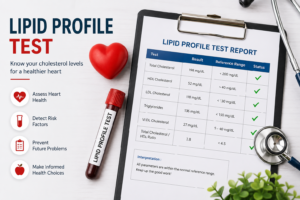
Lipid Profile Chart – What Your 5 Numbers Mean
A lipid profile test typically measures:
| Parameter | What It Shows |
| Total Cholesterol | Overall cholesterol level in the blood |
| HDL Cholesterol | “Good” cholesterol that protects the heart |
| LDL Cholesterol | “Bad” cholesterol that can clog arteries |
| Triglycerides | Fat particles linked to heart disease risk |
| VLDL Cholesterol | Cholesterol that carries triglycerides |
Together, these five values help assess cardiovascular health and future heart disease risk.
What Is a Lipid Profile Test?
A lipid profile is a blood test that evaluates the amount of fats and cholesterol circulating in your bloodstream.
More importantly, it helps doctors estimate your risk of developing cardiovascular disease.
Because cholesterol imbalances often produce no symptoms, testing becomes essential for early detection.
Why Doctors Recommend It
Healthcare providers commonly order lipid profile testing for:
- Routine health checkups
- Heart disease screening
- Diabetes monitoring
- High blood pressure evaluation
- Weight management programs
- Preventive healthcare assessments
Therefore, this test remains one of the most important tools for cardiovascular risk assessment.
What 5 Things Does a Lipid Profile Measure?
A lipid profile provides five important measurements.
Each one contributes unique information about your heart health.
- Total Cholesterol
Total cholesterol represents the overall amount of cholesterol present in your blood.
Why It Matters
Cholesterol plays several essential roles in the body.
For example, it helps produce hormones, supports cell function, and contributes to vitamin synthesis.
However, excessive cholesterol may increase cardiovascular risk.
Healthy Range
Generally, lower levels are considered healthier.
Your doctor will interpret results based on age, health conditions, and overall risk factors.
- HDL Cholesterol (Good Cholesterol)
HDL stands for High-Density Lipoprotein.
This is commonly referred to as “good cholesterol.”
Why HDL Is Beneficial
Unlike harmful cholesterol particles, HDL helps remove excess cholesterol from the bloodstream.
Consequently, higher HDL levels are often associated with better heart health.
How to Improve HDL
Several habits may support healthy HDL levels:
- Regular exercise
- Healthy weight management
- Balanced nutrition
- Avoiding tobacco use
- LDL Cholesterol (Bad Cholesterol)
LDL stands for Low-Density Lipoprotein.
This form is often called “bad cholesterol.”
Why LDL Is Important
Excess LDL can accumulate within artery walls.
Over time, this buildup may restrict blood flow and increase the risk of heart disease.
Why Monitoring Matters
Many individuals with elevated LDL experience no symptoms.
Therefore, routine testing becomes particularly valuable.
- Triglycerides
Triglycerides are a type of fat stored in the body.
After eating, excess calories may be converted into triglycerides for future energy use.
Why High Triglycerides Are Concerning
Elevated levels may be associated with:
- Obesity
- Diabetes
- Metabolic syndrome
- Cardiovascular disease
Common Lifestyle Contributors
Several modern habits may increase triglyceride levels:
- Excess sugar consumption
- Late-night eating
- Physical inactivity
- Excess calorie intake
- VLDL Cholesterol
VLDL stands for Very Low-Density Lipoprotein.
Its primary role is transporting triglycerides through the bloodstream.
Why Doctors Monitor VLDL
Higher VLDL levels may contribute to cholesterol buildup within blood vessels.
Consequently, this measurement provides additional insight into cardiovascular health.
Why Every Indian Over 25 Needs This Test
Traditionally, cholesterol screening was recommended mainly for older adults.
However, lifestyle changes have shifted this reality.
Heart Disease Is Occurring Earlier
Increasingly, cardiovascular problems are being identified in younger age groups.
As a result, preventive screening has become more important than ever.
Family History Plays a Role
Many Indians have a genetic predisposition to:
- High cholesterol
- Diabetes
- Heart disease
Therefore, early testing helps identify risks before symptoms develop.
Silent Conditions Often Go Undetected
High cholesterol frequently causes no warning signs.
Because of this, routine screening may reveal issues that would otherwise remain hidden.
Bangalore Lifestyle and Heart Disease Risk
Modern urban lifestyles can significantly influence cholesterol levels.
Sedentary IT Work Culture
Many professionals spend eight to twelve hours daily sitting at desks.
Consequently, physical inactivity has become increasingly common.
Long Traffic Commutes
Extended travel times often reduce opportunities for exercise and outdoor activity.
Late Dinners
Many working professionals eat dinner late in the evening.
Over time, this habit may contribute to weight gain and metabolic concerns.
Stress and Work Pressure
Chronic stress may indirectly affect cardiovascular health and lifestyle choices.
Bangalore Food Culture
Popular foods often include:
- Ghee-rich dishes
- Restaurant meals
- Fried snacks
- High-calorie convenience foods
While occasional indulgence is reasonable, frequent consumption may affect cholesterol levels.
What Is the Cost of a Lipid Profile Test in Bangalore?
The cost of a lipid profile test varies depending on:
- Laboratory provider
- Health package selection
- Home collection availability
- Promotional offers
Standalone Testing
Many patients choose individual lipid profile testing when monitoring cholesterol.
Health Checkup Packages
Alternatively, lipid profiles are commonly included in preventive health packages and full body checkups.
As a result, patients often receive broader health insights through package-based screening.
Is 12-Hour Fasting Required?
One of the most common questions relates to fasting requirements.
Traditional Recommendation
Historically, lipid profile testing was often performed after fasting for approximately 9–12 hours.
Current Practice
Some healthcare providers may recommend fasting depending on:
- Medical history
- Specific clinical concerns
- Additional tests being performed
Therefore, always follow the instructions provided by your healthcare provider or laboratory.
Healthy Lipid Profile Ranges
Doctors interpret results based on overall cardiovascular risk rather than a single number.
Factors Considered
Evaluation may include:
- Age
- Family history
- Blood pressure
- Diabetes status
- Smoking history
- Existing heart disease
Therefore, personalized interpretation remains important.
What If Your Numbers Are High?
Abnormal cholesterol results do not automatically indicate serious disease.
However, they should not be ignored.
Step 1: Medical Review
Healthcare providers evaluate the complete lipid profile rather than focusing on one value.
Step 2: Risk Assessment
Additional factors such as weight, blood pressure, and diabetes status may influence recommendations.
Step 3: Lifestyle Changes
Many individuals can improve their cholesterol levels through healthy habits.
Step 4: Follow-Up Monitoring
Repeat testing helps track progress and treatment effectiveness.
Lifestyle Changes That Support Healthy Cholesterol Levels
Small improvements often create meaningful long-term benefits.
Increase Physical Activity
Regular exercise supports cardiovascular health and cholesterol management.
Improve Dietary Choices
Consider emphasizing:
- Fruits
- Vegetables
- Whole grains
- Lean proteins
Limit Processed Foods
Reducing highly processed foods may support healthier lipid levels.
Maintain a Healthy Weight
Weight management can positively influence cholesterol and triglycerides.
Prioritize Sleep
Adequate sleep supports overall metabolic health.
Manage Stress
Stress reduction may contribute to healthier lifestyle habits and improved well-being.
Why Choose Prima Diagnostics?
If you’re considering cholesterol screening, accurate testing is essential.
Prima Diagnostics offers:
- Lipid Profile Testing
- Heart Health Screening
- Full Body Checkups
- Preventive Health Packages
- Convenient Sample Collection
- Digital Report Access
As a result, patients can monitor cardiovascular health conveniently and confidently.
Frequently Asked Questions
What does a lipid profile test measure?
A lipid profile measures Total Cholesterol, HDL, LDL, Triglycerides, and VLDL.
Why is HDL called good cholesterol?
HDL helps remove excess cholesterol from the bloodstream, supporting heart health.
Why is LDL considered bad cholesterol?
High LDL levels may contribute to plaque buildup within arteries.
Can young adults have high cholesterol?
Yes. Lifestyle factors and family history can increase risk even in younger individuals.
Is fasting necessary before a lipid profile test?
Some situations may require fasting. Always follow laboratory or healthcare provider instructions.
How often should cholesterol be checked?
Testing frequency depends on age, health conditions, family history, and medical recommendations.
Conclusion
Understanding a lipid profile test in India is one of the most important steps toward protecting long-term heart health.
By evaluating Total Cholesterol, HDL, LDL, Triglycerides, and VLDL, this simple blood test provides valuable insight into cardiovascular risk.
Most importantly, early detection allows individuals to make informed lifestyle choices before serious health complications develop.