
Tests for High Blood Pressure Patients in Bengaluru
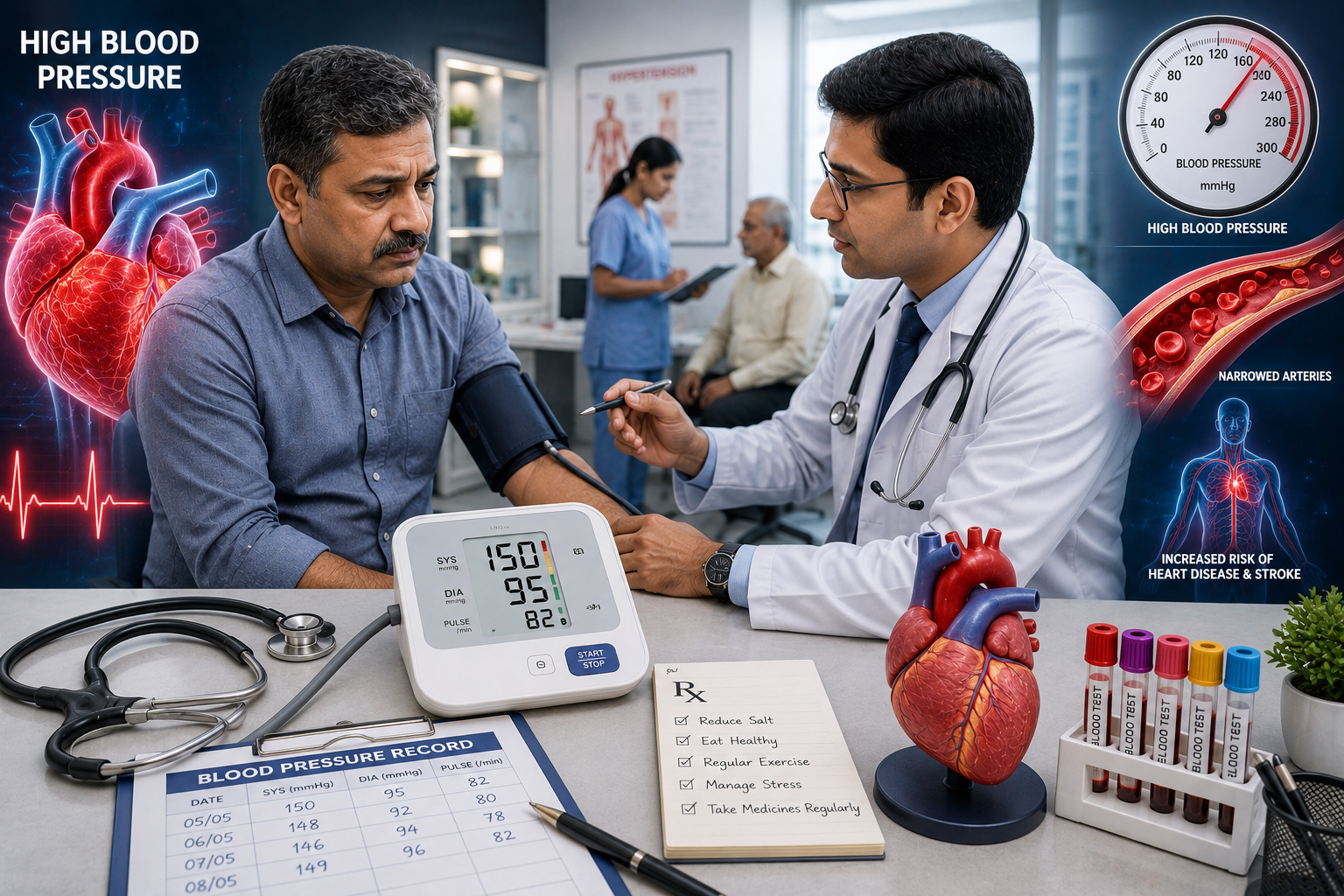
High blood pressure, also known as hypertension, is one of the most common long-term health conditions affecting adults in India. Unfortunately, because it often develops without obvious symptoms, it is widely known as the "silent killer." Many people believe that simply checking their blood pressure at home or during a clinic visit is enough to manage the condition. However, effective hypertension management involves much more than monitoring BP numbers alone.
If you are searching for tests for high BP patients Bengaluru, understanding which laboratory investigations and heart evaluations should accompany regular blood pressure monitoring is essential. High blood pressure can gradually affect important organs such as the kidneys, heart, brain, and blood vessels. Therefore, periodic testing helps healthcare providers detect early complications, monitor treatment, and guide lifestyle modifications before irreversible damage occurs.
In Bengaluru, long working hours, traffic-related stress, sedentary office lifestyles, frequent restaurant meals, and high salt intake have contributed to a growing number of hypertension cases among young and middle-aged adults. Consequently, preventive health monitoring has become increasingly important for people already diagnosed with high blood pressure as well as those at increased risk.
At Prima Diagnostics, we support hypertension monitoring through comprehensive laboratory investigations, heart health assessments, preventive health packages, home sample collection for eligible tests, and fast digital reports. Whether your healthcare provider recommends kidney function tests, lipid profile, blood sugar, ECG, or other investigations, timely testing helps support better long-term health management.
This guide explains why blood pressure patients require more than BP readings, which kidney and electrolyte tests are important, why cholesterol and blood sugar should be monitored, when ECG or heart evaluations are recommended, how frequently testing should be performed, and answers common questions about hypertension monitoring.
This Blog Includes:
 What High BP Patients Should Test Regularly
People living with high blood pressure should undergo regular monitoring beyond routine BP measurements. Healthcare providers commonly recommend Kidney Function Tests (KFT), urine microalbumin, electrolyte tests, blood sugar tests, lipid profile, ECG, and other investigations depending on age, symptoms, medications, and overall cardiovascular risk. Regular testing helps detect complications early and supports personalized treatment decisions.
Why BP Patients Need More Than BP Readings
Measuring blood pressure is important, but it provides only one piece of the overall picture.
Over time, uncontrolled hypertension may affect several organs.
Therefore, laboratory investigations help evaluate whether high blood pressure has started affecting other body systems.
High Blood Pressure Can Affect Multiple Organs
Long-standing hypertension may influence:
What High BP Patients Should Test Regularly
People living with high blood pressure should undergo regular monitoring beyond routine BP measurements. Healthcare providers commonly recommend Kidney Function Tests (KFT), urine microalbumin, electrolyte tests, blood sugar tests, lipid profile, ECG, and other investigations depending on age, symptoms, medications, and overall cardiovascular risk. Regular testing helps detect complications early and supports personalized treatment decisions.
Why BP Patients Need More Than BP Readings
Measuring blood pressure is important, but it provides only one piece of the overall picture.
Over time, uncontrolled hypertension may affect several organs.
Therefore, laboratory investigations help evaluate whether high blood pressure has started affecting other body systems.
High Blood Pressure Can Affect Multiple Organs
Long-standing hypertension may influence:
- Article Title: Tests for High Blood Pressure Patients in Bengaluru
- Publisher: Prima Diagnostics
- Type: Condition Management Healthcare Blog
- Topics Covered: Hypertension, High Blood Pressure Monitoring, Kidney Function Tests, Urine Microalbumin, Electrolyte Testing, Lipid Profile, Blood Sugar Monitoring, ECG, 2D Echocardiography, Heart Health, Preventive Healthcare, and Home Sample Collection
- Services Covered: Kidney Function Test (KFT), Urine Microalbumin Test, Electrolyte Panel, Lipid Profile, Fasting Blood Sugar (FBS), Postprandial Blood Sugar (PPBS), HbA1c Test, Electrocardiogram (ECG), 2D Echocardiography, Complete Blood Count (CBC), Thyroid Function Test (TSH), Home Sample Collection, Preventive Health Packages, and Digital Reports
- Tests Included: Kidney Function Test (KFT), Serum Creatinine, Blood Urea, Estimated Glomerular Filtration Rate (eGFR), Urine Microalbumin, Sodium, Potassium, Chloride, Bicarbonate, Lipid Profile, Fasting Blood Sugar (FBS), Postprandial Blood Sugar (PPBS), HbA1c, Electrocardiogram (ECG), 2D Echo, Complete Blood Count (CBC), Thyroid Function Test (TSH), Liver Function Test (LFT), and Uric Acid Test
- Conditions Covered: Hypertension, Chronic High Blood Pressure, Chronic Kidney Disease, Cardiovascular Disease, Heart Disease, Diabetes with Hypertension, Stroke Risk, Dyslipidemia, Electrolyte Imbalance, and Kidney Damage
- Service Focus: Hypertension Monitoring, Cardiovascular Risk Assessment, Kidney Health Monitoring, Diabetes Screening, Preventive Health Check-ups, Home Sample Collection, Laboratory Diagnostics, and Long-Term Condition Management
- Healthcare Service: Hypertension Monitoring, Kidney Function Testing, Cardiovascular Screening, Diabetes Monitoring, Preventive Health Check-ups, Laboratory Diagnostics, Home Sample Collection, and Wellness Screening
- FAQ Section: Included.
What High BP Patients Should Test Regularly
People living with high blood pressure should undergo regular monitoring beyond routine BP measurements. Healthcare providers commonly recommend Kidney Function Tests (KFT), urine microalbumin, electrolyte tests, blood sugar tests, lipid profile, ECG, and other investigations depending on age, symptoms, medications, and overall cardiovascular risk. Regular testing helps detect complications early and supports personalized treatment decisions.
Why BP Patients Need More Than BP Readings
Measuring blood pressure is important, but it provides only one piece of the overall picture.
Over time, uncontrolled hypertension may affect several organs.
Therefore, laboratory investigations help evaluate whether high blood pressure has started affecting other body systems.
High Blood Pressure Can Affect Multiple Organs
Long-standing hypertension may influence:
- Kidneys
- Heart
- Brain
- Eyes
- Blood vessels
- Serum Creatinine
- Blood Urea
- Estimated Glomerular Filtration Rate (eGFR)
- Blood Urea Nitrogen (where applicable)
- Detect early kidney damage
- Monitor disease progression
- Guide medication adjustments
- Support long-term hypertension management
- Long-standing hypertension
- Diabetes with hypertension
- Kidney disease monitoring
- High cardiovascular risk patients
- Sodium
- Potassium
- Chloride
- Bicarbonate
- Weakness
- Muscle cramps
- Irregular heartbeat
- Medication-related side effects
- Fasting Blood Sugar (FBS)
- Postprandial Blood Sugar (PPBS)
- HbA1c
- Total Cholesterol
- LDL Cholesterol
- HDL Cholesterol
- Triglycerides
- VLDL (where applicable)
- Heart attack
- Stroke
- Peripheral artery disease
- Rhythm abnormalities
- Previous heart damage
- Signs of heart strain
- Heart muscle
- Heart valves
- Pumping function
- Structural abnormalities
- Age
- Blood pressure control
- Kidney function
- Diabetes status
- Medications
- Existing heart disease
- Individual cardiovascular risk